In order to provide the best job lighting for reading without glare, Bedroom wall lights should be placed 60 to 72 inches above the floor. Place the lanterns 18 to 24 inches from the edge of the bed to create even lighting. You can move the swing-arm types around, and centered wall lights above beds work best when they are 72 to 80 inches from the bed. Placing lights in the right places can turn beds into multi-layered, useful spaces with both general and specific lighting that improves comfort and looks good in homes and businesses.
Understanding the Basics of Bedroom Wall Lights
Bedroom wall lights are now an important part of modern bedroom design because they provide answers that ceiling fixtures alone can't. These flexible systems provide targeted lighting while saving valuable floor and surface space. This makes them especially appealing for hospitality projects, multi-unit residential developments, and boutique hotel makeovers where saving space has a direct effect on project ROI.
The Core Benefits of Wall-Mounted Bedroom Lighting
One of the main benefits is that space management. Bedroom wall lights take the place of large table lamps in guest rooms that don't have nightstands or only have a few. Bedroom wall lights use up to 75% less power than standard incandescent bulbs. This means that hotels with hundreds of guest rooms can save a lot of money on costs. Because they give off focused light, they make smaller areas within bigger ones, which supports the stacked lighting strategies that designers like to use in modern dining settings.
Key Types of Bedroom Wall Fixtures
Several types of Bedroom wall lights are used in modern projects. Swing-arm lamps that can be adjusted let guests direct light exactly where it's needed, which cuts down on comments about not enough reading light. Fixed decorative Bedroom wall lights can be used as both background lighting and building highlights. They work especially well in boutique properties that want to stand out visually.
Installing LED strips behind beds or in wall spaces gives off a soft, indirect glow that makes you feel more relaxed while still letting you see for safety reasons. Models that can be handled remotely and dimmed work well with smart building systems. This gives facilities managers centralized control, which they like for managing energy use and planning repairs.
Comparing Wall Lights to Ceiling-Based Solutions
Different installations have very different needs. When retrofitting, surface-mounted Bedroom wall lights often only need simple junction box connections, which cuts labor costs by 30–40% compared to recessed ceiling lighting that need a lot of electrical work and structure changes. Patterns of energy use are also different. Directional Bedroom wall lights focus light where people need it, so they don't waste energy by shining too much light on the whole room like central ceiling fixtures do. The visible effect that happens changes the look of places. Ceiling lights make rooms look flat and sometimes even dirty. Bedroom wall lights, on the other hand, add depth, shadow play, and visual interest that makes the room seem better without adding more space.
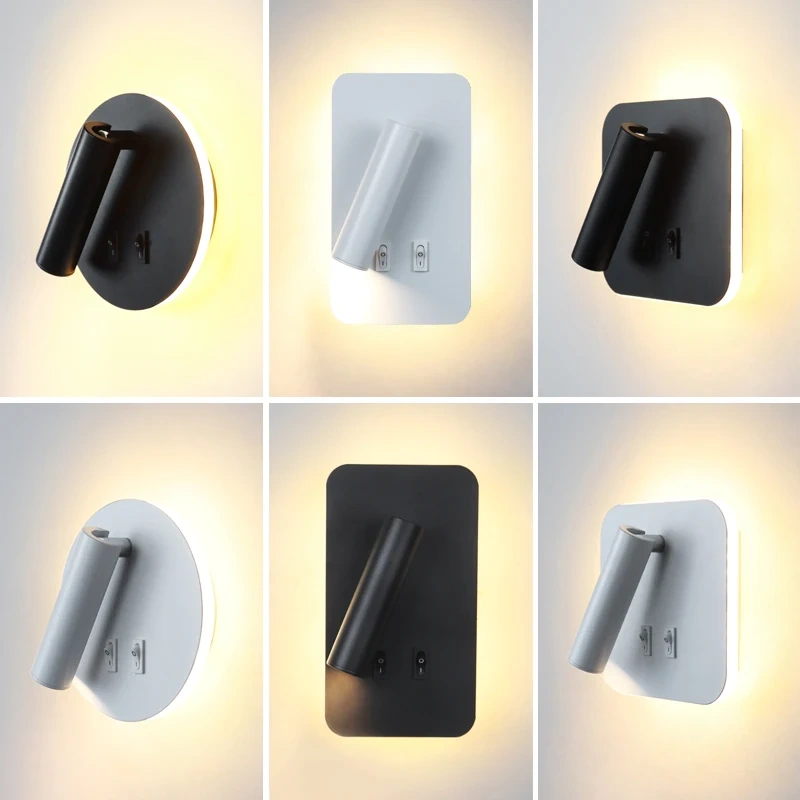
Where and How to Place Wall Lights in a Bedroom?
Depending on how well it is placed, Bedroom wall lights can either make things easier to use or just look nice. It's helpful for engineering managers and project planners to know about positioning guidelines that are based on evidence and strike a balance between aesthetic goals and realistic performance standards that can be used on a wide range of property types.
Optimal Height and Positioning for Functional Lighting
Bedroom wall lights next to beds work best when they are placed 60 to 72 inches above the finished floor. This range puts the light source just above shoulder height for people who are sitting, reducing glare while providing enough brightness for comfortable reading for long periods of time. The horizontal distance is just as important.
Bedroom wall lights that are 18 to 24 inches away from the bed's vertical edge keep light from spilling onto sleeping partners while still allowing easy access. Asymmetrical placing makes sure that everyone in a room with two beds has equal access to light. When installed above beds, center-mounted Bedroom wall lights should be 72 to 80 inches high. This will create visible balance and keep people from bumping into each other when getting in and out of bed.
Creative Placement for Ambient Enhancement
Accent lighting turns parts of a building into focal points. When Bedroom wall lights are placed low on feature walls, they create dramatic uplighting that brings out the grain of stone, brick, or artistic finishes. Corner setups cut down on shadows in rooms with odd shapes. This is especially helpful when converting an old building where structural elements make lighting difficult. Putting Bedroom wall lights in alcoves or hidden shelves gives the impression of more depth, which makes small rooms feel bigger. This layering method combines useful task lighting at bed level with ambient lights at different heights, creating spaces that can be used for a range of activities, from getting ready in the morning to relaxing at night.
Installation Considerations for Wired and Battery-Operated Options
For long-term business uses, hardwired Bedroom wall lights are still the norm. They make sure constant performance, get rid of the need to change batteries, and can work with higher-wattage lights when needed. Electrical rules say that only qualified workers can do work with mains voltage. This adds to the cost up front, but it makes sure that the work meets UL and NEC safety standards, which is important for insurance and liability reasons.
Plug-in and battery-powered Bedroom wall lights are good for temporary installs, pop-up stores, and homes that can't be hardwired because of the way they're built. With today's lithium battery technology and LED efficiency, you can go 8 to 12 months without having to change the batteries. Site teams like how flexible the installation is, but procurement managers need to think about how much it will cost to update the batteries over time when figuring out the total cost of ownership.
How to Choose the Right Bedroom Wall Lights for Your Procurement Needs?
When choosing the right Bedroom wall lights, you have to balance performance requirements with price limits and the fact that they need to be maintained. Systematic evaluation frameworks that put long-term value over initial purchase costs are helpful for procurement professionals who are in charge of large-scale new building or portfolios of multiple properties.
Evaluating Durability and Energy Performance
Commercial-grade Bedroom wall lights can handle daily use that would quickly break down residential-grade goods. Die-cast metal housings are better than thin stamped steel, and polycarbonate eyes are better than glass because they can handle being hit. Energy-efficient standards are mostly based on LED technology. Quality modules last 50,000 hours or more, which is about 15 to 20 years of normal hotel use before they need to be replaced. Compared to traditional bulbs, Bedroom wall lights last a lot longer, which means they need a lot less upkeep. High CRI values above 90 make sure that colors are shown accurately, which is what guests and artists want. Flicker-free drivers keep your eyes from getting tired and give you headaches, which can happen with cheaper electronics.
Matching Design Styles to Project Requirements
Minimalist modern Bedroom wall lights look good in modern hotels and business housing, where clean lines and unobtrusive shapes keep the focus on the architecture. These designs usually have built-in LED boards instead of lights that need to be replaced, which makes keeping track of supplies easier. Bedroom wall lights with a traditional or old look are used in repair projects and boutique properties that use historical style to set their brand apart.
When choosing these types, make sure that any artistic elements don't get in the way of the light or the ability to be used. Adjustable swing-arm Bedroom wall lights meet the useful needs of places that serve a wide range of users, from business visitors who need task lighting at desk level to vacationers who want relaxing ambient settings.
Bulk Procurement Value Analysis
When bought in amounts greater than 200, entry-level Bedroom wall lights cost between $35 and $50 per unit. Mid-range goods, which cost between $75 and $120, have better features, like the ability to dim and quality finishes that don't rust in damp places. In premium classes above $150, you can usually find smart controls, tunable white technology, or designer partnerships that make flagship properties worth the extra money. Aside from unit prices, you should also check the supplier's ability to send bulk items regularly.
Shipping delays mess up building plans, which has expensive effects further down the line that wipe out any savings made in the beginning. Small problems don't get worse and affect the whole project when there is warranty coverage and quick expert help. Reputable makers back their Bedroom wall lights with warranties that last between 3 and 5 years and have tech teams that are easy to reach and can help with problems and getting new parts.
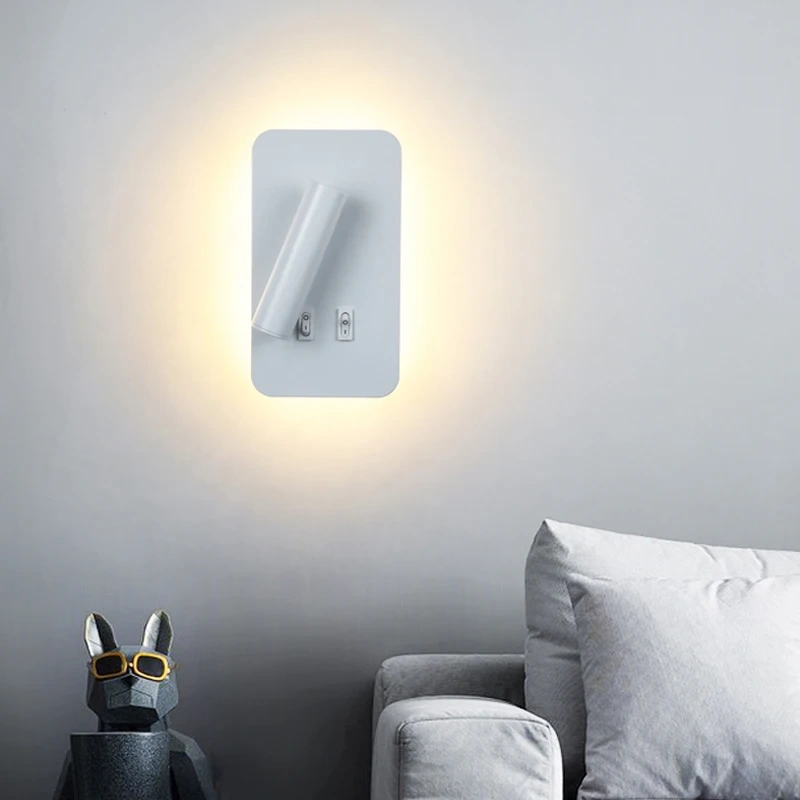
Current Design Trends and Innovations in Bedroom Wall Lighting
Keeping up with changes in lighting helps procurement teams choose Bedroom wall lights that will still work well after a long time and meet new guest standards that have been formed by the rise of smart homes and concern for the environment.
Minimalist and Smart Lighting Integration
In 2024, design trends will be dominated by clean geometric shapes. Bedroom wall lights with a thin profile—less than 2 inches deep—mount almost close to walls and work well in small rooms and hallways. Integrated LED panels get rid of the need for obvious lights, creating smooth, lit surfaces that fit with the minimalist style of architecture. Smart Bedroom wall lights features are now available on more than just high-end products. Guests can change the lighting and color temperature with voice commands or smartphone apps that work with wireless controls.
This makes the setting more like a home and cuts down on service requests at the front desk. Networked systems give building managers information about how systems are used, which helps them make plans to save energy and plan repairs ahead of time, so they can find problems before they affect the guests' experience.
Energy Savings at Scale
When done on big assets, LED Bedroom wall lights conversion gives real financial gains. If a 200-room hotel replaces 400 standard bedside lamps with 8-watt LED Bedroom wall lights, it saves about 292,000 kWh of electricity each year, which can cut costs by $35,000 to $40,000. Lowering your carbon impact makes sustainability reporting better, which is becoming more and more important as business clients and booking platforms put more emphasis on environmental credentials. The ability to dim lights saves even more money. Studies show that guests only use full brightness 20–30% of the time the room is filled. This means that smart controls or occupancy monitors can cut usage by another 25–40% without affecting the quality of service.
Emerging Sensor Technologies
Passive infrared sensors no longer need separate wall boxes because they are built into the bodies of Bedroom wall lights. This new technology makes it possible for lights to turn on automatically when someone walks into a room and turn off when there is a long period of silence, which is great for hallways and extra sleeping areas.
Daylight harvesting sensors change the amount of artificial light that comes in based on how much natural light there is. This makes rooms with lots of windows more energy efficient. Advanced models learn how the space is used and change the settings ahead of time to match how they think it will be used. In times of low labor, these Bedroom wall lights help with wellness efforts by lowering the need for manual adjustments. They also help with labor shortages by using circadian-friendly lighting programs that change color temperature throughout the day.
Practical Applications and Case Studies for Wall Light Placement
Examples from real life show how choosing and placing Bedroom wall lights strategically can help with specific operating problems and meet design goals in a range of property types and buying situations.
Hospitality Sector Implementation
A mid-range hotel company that was remodeling 850 guest rooms across seven sites got reports that the rooms didn't have enough Bedroom wall lights at the bedside and looked old. The buying team chose swing-arm Bedroom wall lights that could be adjusted and had three levels of dimming and USB charge ports built in. When installed 66 inches above the floor on both sides of the bed, nightstand lamps were no longer needed. This freed up space and cut down on breaking losses during cleaning.
Antimicrobial powder-coat finishes on the Bedroom wall lights addressed health issues after the pandemic. Energy tracking showed that the Bedroom wall lights used 68% less energy than the old incandescent lamps. Within six months, guest happiness scores for room lighting went up by 22%, and repair calls went down by 40% because LEDs last longer and the building is stronger.
Residential and Corporate Housing Applications
In 240 units of a high-end apartment building aimed at business visitors, Bedroom wall lights that can be adjusted were placed. The lights let people change the color temperature from cool white, which wakes you up in the morning, to warm amber, which makes you feel calm in the evening. Property management worked with a provider that offered large customization.
They chose brushed nickel finishes that matched other hardware and programmed three scenes that could be accessed through wall switches. This got rid of complicated rules that make short-term residents confused. The installation led to higher rental rates, 12–15% higher than similar homes that didn't have smart Bedroom wall lights features. The maintenance staff liked that parts were the same across all units. This made managing inventory easier and cut down on the number of different extra parts that were needed.
Lessons from Supplier Partnerships
Projects that work well have some things in common. Specification mismatches that slow down setups can be avoided by involving Bedroom wall lights suppliers early on in the planning process. Instead of drawings, which often give wrong information about brightness and color quality, stakeholders can look at detailed mock-ups in real places to judge the lighting effects. Using phased delivery plans that are in sync with building stages keeps things from getting damaged or hard to store on the job site.
Comprehensive commissioning, in which experts from the provider teach facility staff how to use the Bedroom wall lights and fix basic problems, lowers warranty claims and creates long-term service relationships. When compared to quick buying processes, projects that take time in these planning stages have 30–50% fewer change orders and "punch list" items.
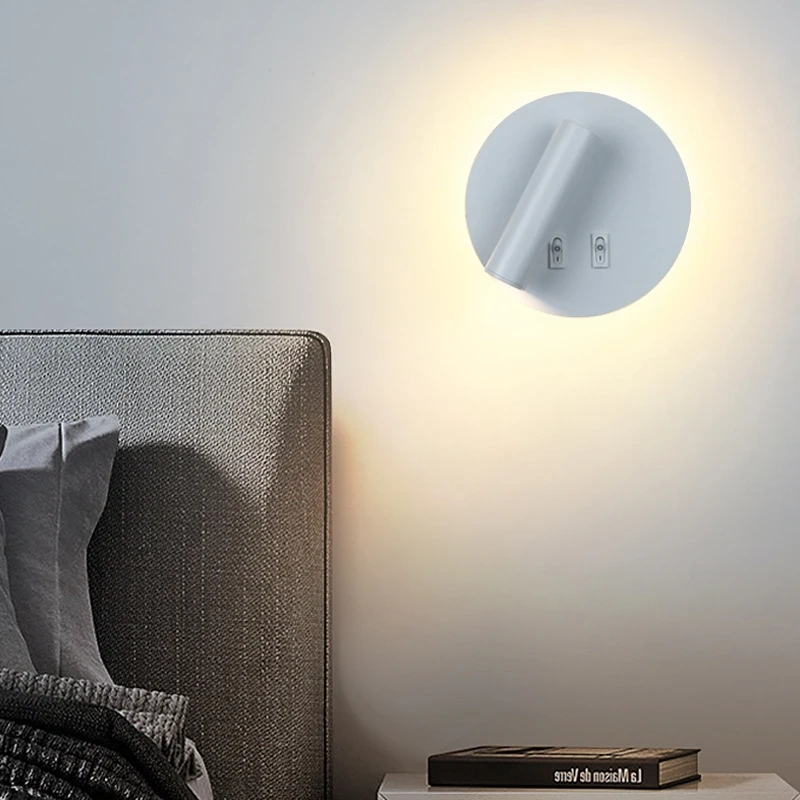
Conclusion
Putting Bedroom wall lights in the right places can turn beds into useful and attractive places to be that meet a wide range of user needs in both home and business settings. Following guidelines for height and spacing based on evidence ensures the best task lighting performance. Layered design methods that include ambient and accent elements make places that can be used for a variety of activities.
When buying things, choosing Bedroom wall lights that use LEDs efficiently, are well-built, and have smart controls built in can save money and make people happier. Modern providers that offer customization options, reliable bulk shipping, and full technical support make it possible for project teams to choose solutions that are perfectly tailored to their needs. Sensor technologies and circadian-tuned systems are always changing, which means that smart Bedroom wall lights choice today is an investment in the performance standards of tomorrow.
FAQ
What is the ideal mounting height for bedside reading lights?
For good reading positions, put Bedroom wall lights 60 to 72 inches above the floor. At this height, the light source is above shoulder level when you're sitting down. This lowers the glare while still giving you enough light for the job. Bedroom wall lights that can be adjusted give users options for different mattress heights and personal tastes.
How do LED wall lights compare to traditional bulbs in long-term costs?
When compared to electric sources, LED Bedroom wall lights technology uses 70–80% less energy. LEDs last longer than 50,000 hours, so they don't need to be replaced as often, saving money on work and materials. Total ownership estimates usually show that investments in LEDs pay for themselves within 18 to 24 months just by saving energy in business settings.
Can bedroom wall lights integrate with smart home systems?
More and more modern Bedroom wall lights link wirelessly using Zigbee, Z-Wave, or WiFi, which lets them work with building control systems. These Bedroom wall lights allow for scheduling, unified control, and tracking of energy use. When asking for smart capabilities, make sure they will work with the system that is already in place to avoid problems with integration.
Partner with USKYLED for Your Bedroom Wall Lights Supplier Needs
USKYLED offers state-of-the-art LED Bedroom wall lights options designed for business and leisure settings that need dependability and performance. Our wide range of products includes Bedroom wall lights that can be adjusted, simple architectural Bedroom wall lights, and smart-enabled types that can dim and change the color. Each unit goes through strict quality checks to make sure it meets UL, CE, and RoHS international standards, has a CRI number above 90, and works without flickering. Get in touch with our expert team at sales@uskyled.com to talk about bulk purchasing needs, custom OEM development, or project-specific lighting design advice with quick support.
References
1. Illuminating Engineering Society. "Recommended Practice for Residential Lighting." IES RP-11-20, 2020.
2. DiLaura, David L., et al. "The Lighting Handbook: Reference and Application." 10th Edition, Illuminating Engineering Society of North America, 2011.
3. U.S. Department of Energy. "LED Lighting in Commercial Buildings: Performance and Energy Savings." Building Technologies Office Report, 2019.
4. Veitch, Jennifer A. "Psychological Processes Influencing Lighting Quality." Journal of the Illuminating Engineering Society, Vol. 30, No. 1, 2001, pp. 124-140.
5. Benya, James, et al. "Advanced Lighting Guidelines." New Buildings Institute, 2014.
6. Boyce, Peter R. "Human Factors in Lighting." 3rd Edition, CRC Press, Taylor & Francis Group, 2014.


