In commercial and industrial buildings, Emergency Lights serve as lifelines during power outages, evacuations, and other risky scenarios. When the main power goes out, these special lighting systems turn on by themselves, making it safe for people to walk through dark halls, stairwells, and exits. They are used by many companies to make sure they follow strict safety rules, keep people calm in case of an emergency, and make sure operations can still be seen when normal lighting fails. This always keeps workers and guests safe.
Understanding Emergency Lights and Their Applications
Emergency Lights systems are high-tech safety tools that make sure people can still be seen when the power goes out at important times. These lights are different from regular ones because they have backup power sources that turn on right away if the electricity goes out. These are usually rechargeable batteries or capacitor systems.
Core Components and Technology
LED technology is mostly used in modern Emergency Lights because it consumes less power than older options like incandescent or electric. LED systems put out a lot of light (often more than 130 lm/W) with very little power. This means that batteries can last longer when the power goes out for a long time. The body is generally made of materials that don't rust, like die-cast metal with protective coatings. There are poisons and a lot of temperature changes in factories, so this makes sure that it will last.
Configuration Types for Diverse Needs
Standalone units that are driven by batteries make rollout quick, and only small changes need to be made to the infrastructure. Emergency Lights systems that are centralized connect many lights to a single bank of batteries. This makes it easy to keep up with big buildings and cuts the cost per unit. Motion-sensor models save battery life by only turning on when they sense people moving. This makes them last longer while still providing safety coverage in big warehouses and industrial parks.
Industry Application Spectrum
In business office buildings, lighting along the exits helps people find their way when they need to leave. In factories, lighting is needed near risky areas like areas with heavy machinery and chemical storage. To follow the rules and keep people safe, hotels and shopping malls put Emergency Lights systems in all of their public halls and meeting spots. A lot of people walk through areas with strong Emergency Lights in public buildings like airport hubs and city halls. This is because getting out quickly is very important in an emergency.
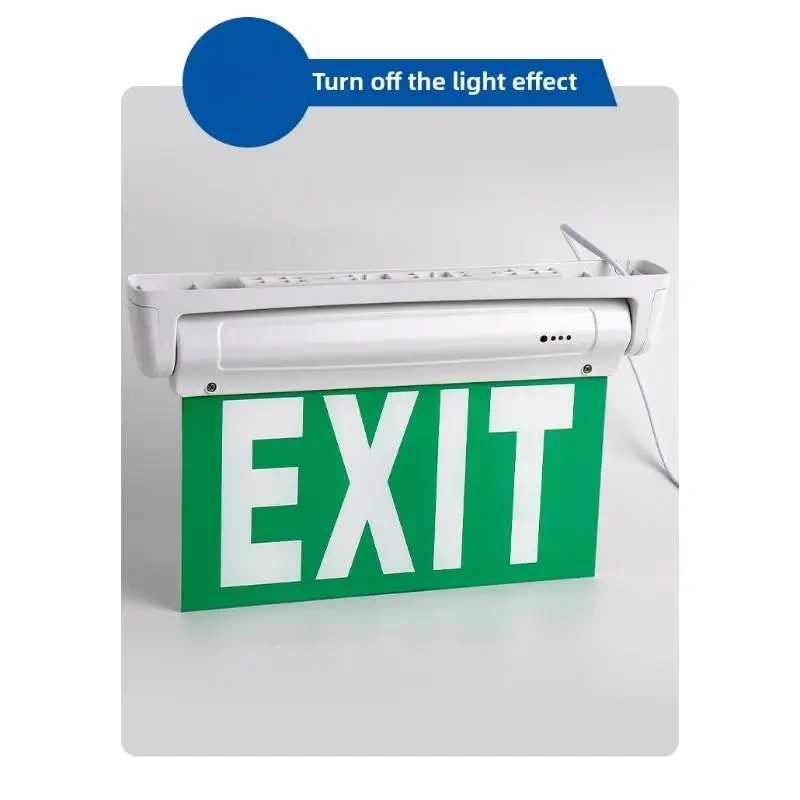
When Should Emergency Lights Be Used?
Being aware of specific mission situations helps make sure that safety rules are followed and that people are safest in real life. North America and Europe both have laws that say Emergency Lights have to be on in certain scenarios. In other words, building managers and project engineers are required by law to do it.
Mandatory Activation Scenarios
People set off the warning when the power goes out. This can happen because of broken equipment, natural disasters, or grid instability. Emergency Lights systems turn on right away when the fire alarm goes off. This makes it easy to find ways out of places that are smokey and don't have normal lights. When accidents involving dangerous materials happen, people must be able to see again right away so that area can be safely evacuated and emergency response teams can move through it.
Integration With Safety Infrastructure
These days, fire alarm panels and building control tools can directly talk to Emergency Lights systems. When more than one machine is involved, this makes sure that everyone acts at the same time. This combination makes it possible to keep track of everything from one place, reporting in real time on the health of the batteries, the lamps' usefulness, and the circuit's integrity. Systems are ready to use when automated testing methods make sure they are without having to be checked by hand. This cuts down on upkeep work and keeps thorough records for checks by the government.
Real-World Implementation Examples
At a pharmaceutical manufacturing plant in New Jersey, a transformer broke down during the second shift. The Emergency Lights network that was set up turned on in 0.3 seconds, giving enough light to see across 85,000 square feet of production area while workers shut down properly. In the same way, a business distribution center in Texas says that its motion-sensor Emergency Lights system let people leave safely at night during bad weather that shut off the main power for six hours.
Selecting the Right Emergency Lighting Solution for Your Business
You have to weigh technical needs against practical needs and spending limits when deciding what to buy. There are many performance factors that are used in good decision-making to find the best long-term answers.
Critical Performance Specifications
How well it covers is based on how much light it sends out. Along egress tracks, there should be at least 1 to 10 foot-candles of light for most office uses. Based on the type of building and local building codes, the estimated outage times can be anywhere from 90 minutes to four hours. The battery life should be longer than these times. When you buy things from other countries with different voltage standards (120V, 230V, and some industrial systems), it's very important to make sure that the things you buy will work with those systems.
LED Versus Traditional Technologies
Emergency Lights are more cost-effective in the long run, even though they cost more at first. LED units can keep their power on for at least 50,000 hours, while fluorescent lamps can only do that for 10,000 hours. The amount of energy that big buildings use changes a lot. If you switch a 200-unit Emergency Lights system from fluorescent to LED technology, you can save about 60% on your yearly energy costs and not have to fix lamps as often.
Evaluating Total Cost of Ownership
Aside from the price of purchase, upkeep costs also play a big role in running costs. Most rechargeable batteries have replacement rounds that last between three and five years. Batteries that are sealed in lead acid need to be serviced less often than batteries that are lithium-ion. Centralized systems that combine care chores can be very helpful for buildings that are in charge of hundreds of units. With professional-grade battery banks and charge infrastructure, this cuts down on work hours while making things more reliable.
People you can trust will give you full guarantees that cover both the lights and the batteries. The very best guarantees last for five years and come with more help from skilled people. Procurement teams should make sure that the goods they buy are certified before they look for energy refund programs that pay for installation. In North America, this means UL 924 recognition. In Europe, it means CE marking and DLC approval.
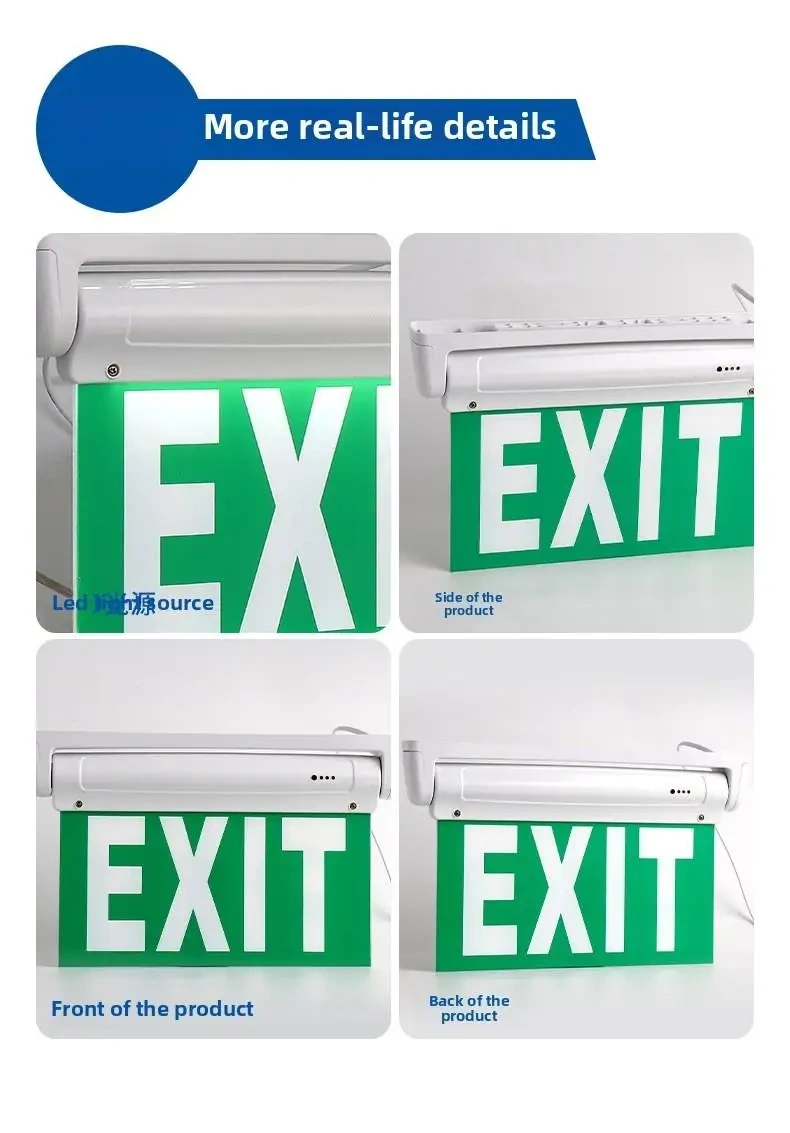
Installation and Maintenance Guidelines for Emergency Lighting Systems
If it's set up right and taken care of over time, Emergency Lights will always work when it's needed the most. Structured methods for installation and regular care get rid of common ways that things go wrong that make things less safe.
Site Assessment and Planning
Before a professional installation can begin, the building is fully scanned to find exit routes, danger zones, and coverage holes. Photometric methods help you figure out where to put the best lights so that the lighting levels are even and meet or go above the minimums needed by code. An electrical load study makes sure that adding Emergency Lights won't put too much stress on the current system because of the circuit's capacity. This is very important when updating older buildings that don't have a lot of storage space for electricity.
Code-Compliant Installation Procedures
The National Fire Protection Association (NFPA 101) and the International Building Code both have rules about how high lights can be placed, how far apart they must be, and how easy it is to see them. So that things don't trip by mistake, only registered electricians should put things in place. They know how to keep the wires the right size and protect the circuits. It's important to keep records of installation details like where the fixtures are placed, the specs of the batteries, and the testing plans so that officials can look them over and plan for future maintenance.
Ongoing Maintenance Protocols
The lamp and battery charge systems are checked every month to make sure they work and keep the right amount of power. Long-term tests are done once a year to fully drain the batteries and make sure they meet the standards for runtime before they are charged again. Follow these steps to find old batteries that need to be changed before they fail in an emergency. This makes sure that the method will always work.
Batteries generally stop working as well as they used to after three years of use, and their power drops below what is needed. This means that they need to be changed. It's possible to make changes every once in a while as technology gets better. Buildings that used to have fluorescent Emergency Lights can save a lot of money by switching to LED lamp sets and keeping the housings and battery packs they already had. The reason for this is that updating costs less than getting a whole new fitting.
Optimizing Emergency Lighting for Long-Term Safety and Efficiency
Smart system design and technology are used in strategy optimization methods to lower running costs and improve safety. Companies can use new technologies that change the way Emergency Lights works when they buy things in a way that thinks ahead.
Energy-Saving Technology Integration
You save energy right away when you move from fluorescent to LED lights. In fact, most setups use 70% less energy than fluorescent systems did. Motion-sensor technology saves even more battery life by only turning on lights when someone is there. This is helpful in rarely used rooms like storage rooms and mechanical rooms. When things are back to normal, Emergency Lights can be dimmed so they use less energy and are easier to see. They become very bright when Emergency Lights mode is turned on.
Building Automation Connectivity
Modern Emergency Lights uses standard messages to connect to building management systems. This lets one place watch many buildings on a site. It sends an automatic message to facility managers when batteries die, lamps go out, or there is a problem with the system. This lets them fix things quickly and make sure everything is taken care of. Since testing can be done from afar, there is no need for human checks. This saves money on labor costs and makes compliance paperwork available right away for regulatory files.
Future-Ready Smart Technologies
When you connect Emergency Lights to the internet of things, it changes from a safety system that doesn't do anything to a network that does. Smart systems keep track of when people use them and use that information to figure out when the batteries should be charged. They also use machine-learning to look at performance trends and guess what repairs need to be done. These features are in line with new energy rules that stress the importance of building technologies that are linked together. This is good for early users because rules are calling for smart safety systems more and more.
It is important to make sure that investments made now can handle future growth without having to update the whole system. This is called scalability. When you buy in bulk from companies that make Emergency Lights, you can get better deals and build relationships that let you find solutions that work for your location. It's easier to make budgets for long-term capital projects when they come in bundled service packages that include installation, approval, and extended support contracts. This is because lifetime costs are more stable.
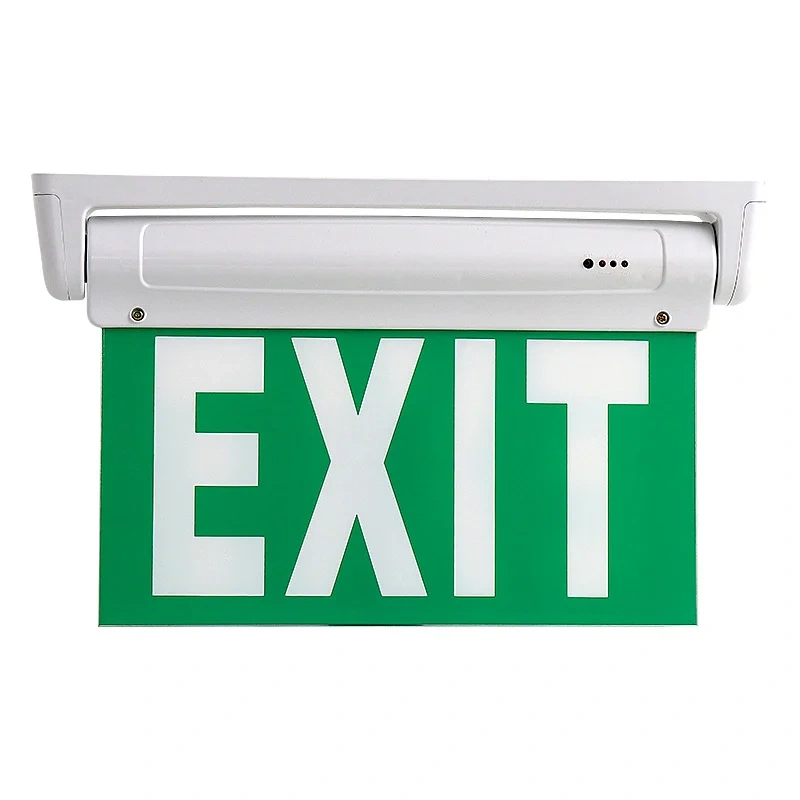
Conclusion
That being said, having Emergency Lights is important for keeping people and property safe when the power goes out or there is some other emergency. Companies can set up systems that protect their employees reliably for as long as they are used by balancing performance needs, lifetime costs, and legal requirements with strategy selection methods. To make things safer and run more easily, using LED technology, smart systems, and preventative maintenance methods are all recommended. By learning about possible execution scenarios, technology needs, and new features, procurement experts make smart decisions that help their companies be ready for unplanned events.
FAQ
How long do emergency light batteries typically last during outages?
Standard batteries for Emergency Lights can keep the lights on for 90 minutes to four hours straight, depending on how the system is set up and the rules. In business settings, the code requires that the runtime be at least 90 minutes. But in hospitals and other important buildings, systems that can run for four hours or more are used. Batteries lose some of their power over time, so they need to be changed every three to five years to keep up with the stated runtime.
Why are LED emergency lights superior to fluorescent options?
When it comes to saving energy, LED technology is much better than fluorescent technology. Plus, LEDs work better and last longer. When LED units are not in use, they use 60–70% less power. This means that the battery lasts longer during power outages and costs less. Light bulbs that last 10,000 hours need to be changed more often than lamps that last more than 50,000 hours. This helps you save a lot of money on repairs and building supplies for big projects.
What regulatory standards govern emergency lighting in the United States?
As OSHA says, there must be enough Emergency Lights for people to be able to safely leave the building. Technical standards like lighting levels, battery life, and how often tests must be done are listed in the NFPA 101 Life Safety Code. A lot of the time, parts of the International Building Code that set standards for placement are included in local building codes. This approval, UL 924, is the main standard for markets in North America. It makes sure that Emergency Lights meets standards for safety and efficiency.
Partner With USKYLED for Reliable Emergency Lighting Solutions
USKYLED makes smart Emergency Lights systems that are made to work in tough business and industrial settings. We offer LED-based choices that meet strict international standards like UL, CE, and RoHS and give off good light while using little power. So that your system works at its best, our skilled staff can help you with everything, from picking out the right product to setting it up. If you want to buy in bulk, email our experts at sales@uskyled.com to find out how our Emergency Lights options can make your workplace safer and save you money in the long run.
References
1. National Fire Protection Association. "NFPA 101: Life Safety Code - Emergency Lighting Requirements." 2021 Edition, NFPA Standards Council.
2. Illuminating Engineering Society. "IES Recommended Practice for Emergency Lighting Systems Design and Testing." Technical Memorandum TM-13-19, IES Publications.
3. U.S. Department of Labor, Occupational Safety and Health Administration. "Emergency Preparedness and Response - Emergency Lighting Regulations." OSHA Publication 3122.
4. International Code Council. "International Building Code - Chapter 10: Means of Egress Illumination." 2021 IBC Standards Documentation.
5. U.S. Department of Energy. "LED Emergency Lighting: Energy Efficiency and Performance Characteristics." Building Technologies Office Technical Report, 2020.
6. Underwriters Laboratories. "UL 924: Standard for Emergency Lighting and Power Equipment." UL Product Certification Requirements, Current Edition.


