Getting the best Garden lights becomes a strategic procurement goal when business lighting projects need long-lasting, off-grid solutions. Modern solar-powered outdoor lighting systems use advanced LED technology and photovoltaic energy gathering to provide stable lighting without the need for trenches or ongoing electricity costs. Garden lights with big batteries and smart controls are now used for a lot of different things, from landscapes in hotels to protecting the edges of factories. This gives procurement professionals a tried-and-true way to meet sustainability requirements while also lowering the total cost of ownership over the course of a project's many years.
Understanding Solar Garden Lights: Types and Working Principles
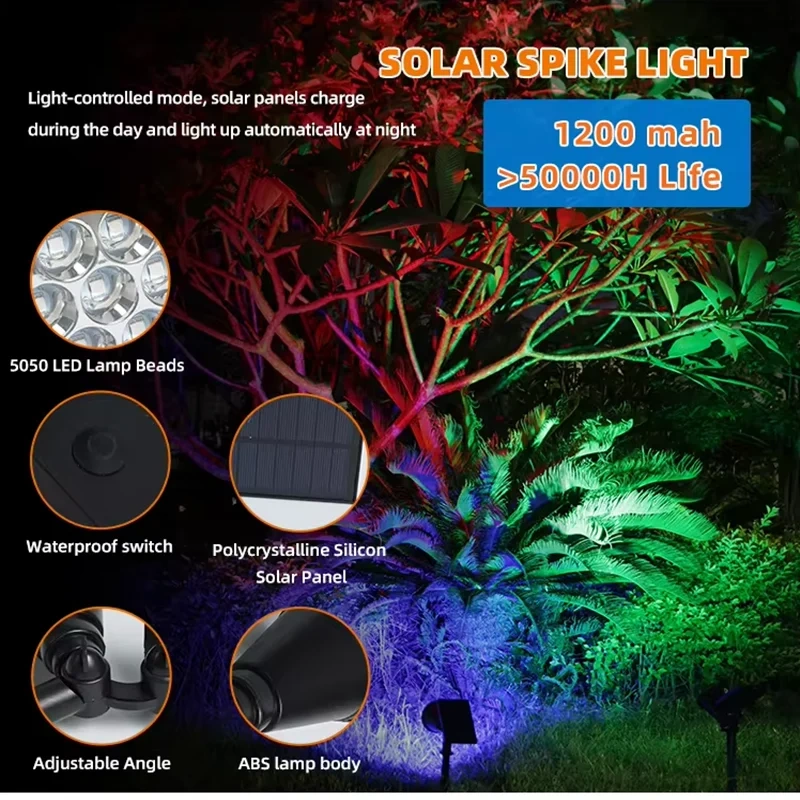
Garden lights work on their own and are made up of four important parts that work together to give off steady light. When it's daylight, the photovoltaic screen absorbs sunshine and uses semiconductor materials to turn the light into electricity. This energy goes into lithium-ion or LiFePO4 batteries that can be charged and then used at night to release power. An integrated controller controls the charging processes and turns on the LED light source at night, changing the brightness levels depending on how much energy is saved. This closed-loop system doesn't need to be connected to the power grid, which makes it very useful for sites that are far away or where the cost of connecting to the grid is too high.
Common Types Suited for Commercial Applications
Pathway lighting fixtures, which are made to mark walkways on hotel grounds or business buildings, usually give off 50 to 150 lumens per unit. Spotlight varieties focus brighter light outputs—often more than 800 lumens—to draw attention to building features or single trees in high-end gardening projects. String setups provide general lighting for outdoor areas used for hospitality, while motion sensor types with PIR or microwave radar detection are better for security-focused installations. Decorative Garden lights look nice in vacation settings, but they can't be used for practical tasks because they don't put out as many lumens. Understanding these differences makes it easier for buying managers to match product specs to project needs.
Operational Advantages Over Conventional Alternatives
According to data from the building industry, wired systems take an average of 40% longer to complete than solar Garden lights because they require trenching and pipe installation. Not having to pay for utilities every month saves money over time. Depending on local energy rates, most business installations pay for themselves within three to five years. Maintenance needs go down a lot because good LED Garden lights work for 50,000 hours or more before they need to have parts replaced. Environmental benefits include no operational emissions and meeting the standards for LEED and BREEAM green building certification. This meets the needs of business sustainability reporting obligations that are becoming more and more important in buying decisions.
How to Choose the Best Solar Garden Lights for Your Business Needs?
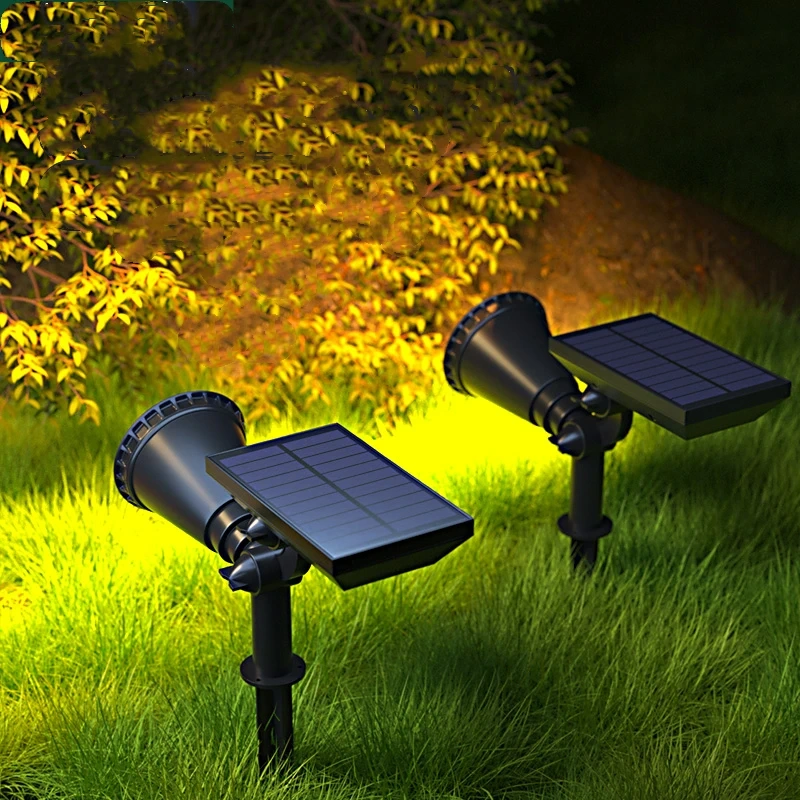
To match product specs with application needs, you have to carefully look at a lot of different technical factors for Garden lights. Lumen output directly affects the size of the lit area. For example, business pathways usually need 100 to 300 lumens per bulb, spaced every 3 to 5 meters, while security perimeter lighting may need 2,000 lumens or more concentrated at key places.
The battery's watt-hour (Wh) power determines how long it can last on a single cloudy day, which is important for places where it clouds over for long periods of time. IP grades tell you how safe something is in the environment. For example, IP65 means that the enclosure is dust-tight and can withstand water jets, making it good for most outdoor setups. IP67, on the other hand, means that it can withstand submersion in areas that are likely to flood.
Technical Specifications That Impact Performance
Durability isn't just about being waterproof; it also includes how the material is made and how it handles different temperatures. Powder-coated finishes on high-grade metal housings keep them from rusting in seaside or industrial settings where chemicals or salt spray are present. Operating temperature ranges of -20°C to +60°C make sure that the equipment works in a wide range of climates, from sites in the north to those in the desert. Warranty coverage shows how confident a maker is in their products.
Reliable sellers offer promises that cover both LED parts and battery systems for 3 to 5 years. Professionals in procurement should make sure that the guarantee terms clearly cover battery decline. Lithium cells usually keep 80% of their capacity after 1,000 charge cycles, but they will need to be replaced at some point.
Cost Analysis for Bulk Procurement Scenarios
When figuring out the total cost, you have to look at things like workers for installation, ongoing upkeep, and energy use over the system's lifetime. Based on normal rates for excavation and electricity contractors in North American markets, a 100-unit solar pathway Garden lights system that doesn't need to dig 150 meters of trenches can save between $8,000 and $12,000. Over a 10-year time, the money saved on energy costs is very valuable. For example, a 20-watt grid-tied LED fixture that is on for 12 hours a night uses about 88 kWh of electricity a year, which is about $10 to $15 per fixture a year at business electricity rates. When you buy in bulk from approved suppliers, the unit cost usually goes down by 15 to 25 percent for orders over 500 pieces. This makes the project more affordable for large-scale implementations on a college or in the city.
When you compare solar electric systems to regular electric systems, you can see that installation ease is a key factor for repair projects. Most places don't need electricity permits or checks for Garden lights fixtures, which speeds up the distribution process. LED technology in Garden lights is more efficient than older metal halide or high-pressure sodium technologies, producing 120 to 140 lumens per watt. Additionally, solid-state design gets rid of filaments that are easily broken by vibration or contact. Deployment risks can be reduced by choosing sellers who offer detailed installation instructions and technical help. This is especially important for contractors who aren't familiar with the ins and outs of photovoltaic systems.
Installation and Maintenance Best Practices for Solar Garden Lights
For large-scale projects to go well, the spot must first be carefully inspected to see how easy it is to get to the sun and what might block the sun for Garden lights. For best energy capture, photovoltaic cells need to be facing south (in places in the northern hemisphere) without any obstructions. Even light shade from buildings or plants can lower charging efficiency by 30 to 50 percent. Calculations for mounting height and bulb spacing are based on lumen output and beam angle—wider flood patterns work well for general lighting, while smaller spot beams focus light for accents. The type of soil affects the foundation needs. Soils that are soft or sandy need thicker post embedment or concrete footings to stop the building from sliding over time due to wind.
Step-by-Step Deployment Protocol
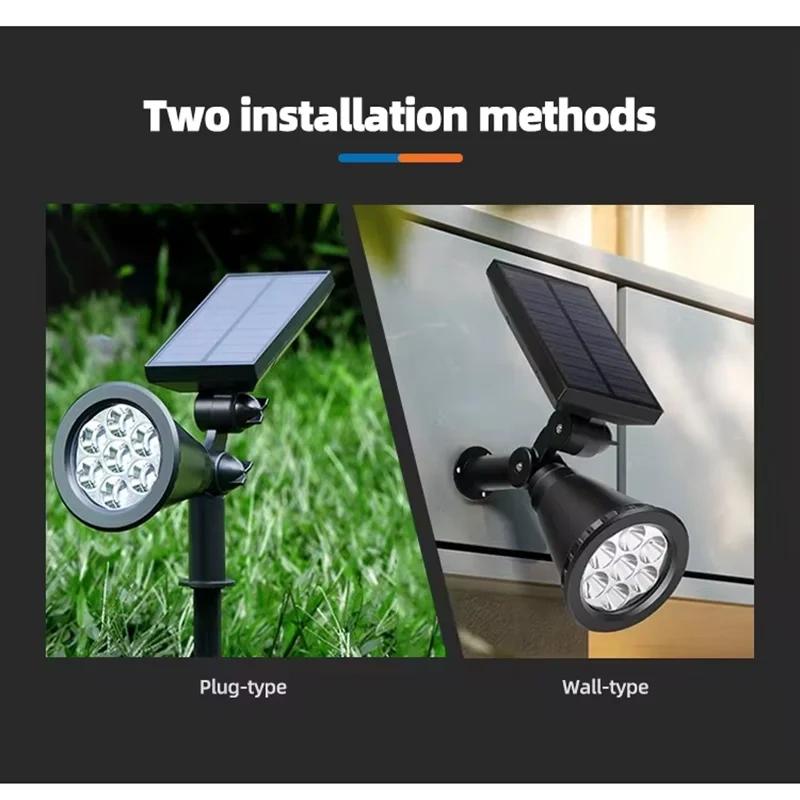
As part of preparing a site, measuring equipment is used to mark where Garden lights fixtures will go so that they are always spaced and lined up correctly. Post-hole digging should go down to a depth equal to one-third of the height of the above-ground device plus 150 mm. The hole should then be backfilled with crushed gravel to help with drainage and stability. Panels that are angled toward the equator at angles that match the local latitude collect the most energy over the course of a year.
However, they can be adjusted for summer and winter sun paths to get the best results. Secure mounting tools must be able to handle temperature expansion and avoid corrosion. Fasteners made of stainless steel are recommended for use in naval or industrial settings. Before the final acceptance, commissioning processes make sure that all units are working properly and record any pieces that need to be moved because of unexpected shading problems.
Routine Maintenance Requirements and Troubleshooting
Cleaning the panels every three months keeps them working at their best, especially in places with a lot of dust or pollen, where buildup lowers their charging capacity. Cleaning methods that use soft cloths and light soaps keep anti-reflective coatings that make solar systems work better from getting scratched. Monitoring the performance of a battery can tell you when cells are getting close to the end of their useful life before they fail completely. Testing the voltage under load can show you how the capacity is decreasing. If you buy new batteries, make sure they exactly match the originals. Batteries with different capacities or chemistry types can mess up controller setting and damage circuits.
One common problem that needs to be fixed is an early stop due to not having enough battery capacity. This is usually fixed by making sure the panels are clean and looking for new sources of shade, like tree growth. Flickering or dim output is usually a sign of failed LED drivers instead of emitter degradation, which means the controller module needs to be replaced. Motion sensor problems show up as Garden lights staying on all the time or not activating at all. These problems can be fixed by adjusting the sensitivity or cleaning the sensor lens to get rid of bugs. Keeping detailed maintenance logs helps with guarantee claims and finding general problems that affect many fixtures. This lets the provider fix design or manufacturing flaws before they happen.
Comparing Popular Brands and Solutions in the Solar Garden Lighting Market
Looking at well-known Garden lights brands can help you understand how stability and new ideas are affecting the business solar lighting market. Philips Lighting (Signify) focuses on smart connection through built-in sensors and wireless controls that allow management of multiple setups from one place. Their CityTouch tool lets building managers who are in charge of large grounds keep an eye on the performance of individual fixtures from afar. Osram works on modular designs that let batteries and LED modules be changed in the field without taking down the whole fixture. This lowers the cost of long-term upkeep. Cree's focus on making LEDs more efficient means they produce the most brightness per watt, which means batteries last longer and panels don't have to be as big.
Performance Metrics Across Leading Product Lines
Comparative research shows that there are big differences in key specs that affect how well Garden lights work for different uses. Fixtures that give off 3,000 lumens or more and have changeable motion sensing zones are good for high-security areas. On the other hand, 2700K–3000K warm color temperatures and decorative housings are best for hotel pathway lighting, which is more focused on looks.
Warranty terms that range from 2 to 5 years show how confident the maker is in the product. Longer covering means higher prices but a lower risk of having to replace the product. The quality of after-sales help can be seen by how complete the technical paperwork is and how quickly questions about installation are answered in the field. These are hard to measure but very important for projects with hundreds of fixtures.
Real-life cases of deployment show how well it works in tough situations. A resort on the coast of Florida put in 240 solar pathway Garden lights spread out over 15 acres. The lamps were IP67-rated and had bronze finishes to fit the building's style. After 18 months of use during several storm seasons, the installation was still 98% working, and only a small amount of lens cleaning was needed. The opposite happened with a city park project that used cheap Garden lights; 35% of them broke within a year because they weren't waterproof enough and the batteries weren't strong enough for the weather where they were installed. These results show how important strict specifications and checking out suppliers are in the buying process.
Value-added services set luxury suppliers apart from commodity providers. Professional site inspection services find the best places to put Garden lights fixtures and the right specifications before making a buy, which lowers the risks of deployment. Large buyers can plan their finances better with bulk purchasing programs that offer savings for buying in bulk, longer payment terms, and consignment goods for projects that are completed in stages. Offering full after-sales support, such as field service technicians being available, quick handling of warranty replacements, and expert training for client maintenance staff, lowers the total cost of ownership while ensuring long-term performance over multiple years of operation.
Future Trends and Innovations in Solar Garden Lighting
Garden lights trends and new ideas for the future keep improving through big steps forward in energy storage and smart settings. Lithium Iron Phosphate (LiFePO4) batteries are now used instead of lithium-ion cells because they can be charged and discharged 2,000 to 5,000 times, which doubles their useful life and makes them safer and more stable at high temperatures. Modern photovoltaic materials, like monocrystalline PERC cells, have a conversion rate of 22–24%, which is higher than the 15–18% achieved by older polycrystalline panels. This means that panels can be smaller or run for longer from the same amount of sun collection area. These changes directly address the dependability and maintenance intervals that businesses want when they buy things.
Smart Integration and IoT Capabilities
When Internet-of-Things connectivity is integrated, Garden lights go from being inactive lighting devices to active network points that provide useful operating data. Built-in sensors check the amount of light in the room, the flow of foot traffic, and the weather. This information is sent to analytics platforms that make the best use of lighting plans and find problems before they happen.
Wireless mesh networking lets you handle whole systems from one place. From desktop interfaces, facility managers can change the brightness levels, make schedule profiles, or get reports about units that aren't working right. This intelligence layer improves procurement by cutting down on wasted energy and letting you use predictive repair plans that lower running costs over the long term.
More and more, regulations and business promises to sustainability require Garden lights options that use less energy. European Union rules that phase out high-pressure sodium lighting by 2025 set an example that is likely to be followed by other markets. At the same time, Environmental, Social, and Governance (ESG) reporting requirements for businesses push them to buy zero-emission options.
Garden lights naturally meet these requirements because they offer measurable carbon footprint reductions and green energy use measures that are useful for reporting on sustainability. Forward-looking buying strategies give more weight to sellers that show they are dedicated to constant innovation and environmental compliance. This makes sure that lighting infrastructure stays in line with changing regulations.
Putting money into flexible, scalable Garden lights systems in a planned way keeps technology from becoming outdated and allows for future growth. When lighting platforms are made with field-replaceable LED modules and battery packs, they last longer as component technology improves, so you don't have to replace the whole device. Long-term buying risks can be cut down by building partnerships with makers that promise open product roadmaps and backward compatibility. These things to think about are especially important for multi-phase developments or college settings where keeping the same look and function across generations of installations helps the design stay cohesive and makes standardization easier for upkeep.
Conclusion
To choose the best Garden lights for business use, you need to weigh technical performance, lifecycle costs, and source stability. High-efficiency photovoltaics, improved battery chemistry, and smart controls have now come together to make solar lighting solutions that meet strict business standards possible. Previously, these were only possible with systems that were connected to the power grid. When procurement professionals look at these technologies, they should give more weight to sellers who offer full warranties, recorded performance data, and quick expert help to lower the risks of deployment. As demands for sustainability grow and energy costs rise, solar outdoor lighting is a smart investment that will pay off financially and environmentally in a wide range of settings, from grounds for hotels to industrial security perimeters.
FAQ
What factors most significantly influence solar garden light performance in commercial installations?
The battery's watt-hour capacity and the efficiency of the solar panel decide how long Garden lights can run on their own when it's cloudy, and the coverage area is determined by the lumen output and beam angle. The IP waterproof grades make sure that the product will last in any climate. For most outdoor uses, IP65 is recommended, and IP67 is recommended for places that are likely to flood. With a warranty that lasts between 3 and 5 years and clearly states how the battery will degrade, the maker is confident in the quality of the product.
How reliable are solar garden lighting reliability compare to traditional wired electric systems?
When properly sized for the site, high-quality Garden lights now have 95%+ uptime, which is getting close to grid-tied stability. Solar systems don't have the problems that come with underground wires, like water getting in, rodent damage, or changes in power. However, the batteries need to be replaced every 3–5 years, while LED drivers fail every few years in regular fixtures. Solar options are usually better in remote or hard-to-reach places because they require less upkeep overall.
What procurement options exist for large-scale commercial projects?
Reliable sellers offer bulk buy deals for Garden lights that lower the cost of each item by 15 to 25 percent on orders of 500 or more, with flexible payment terms and consignment inventory for deployments that happen in stages. Comprehensive packages that include installation services, longer warranties, and ongoing upkeep contracts make it easier to buy things while still guaranteeing their performance. Technical support during the creation of specifications helps make sure that the chosen product meets the needs of the project before a purchase is made.
Partner with USKYLED for Premium Solar Garden Lighting Solutions
USKYLED makes energy-efficient outdoor lighting that is state-of-the-art and designed for tough industrial settings. Our network of Garden lights suppliers gives you access to high-performance lighting with smart control built in, advanced photovoltaic systems, and batteries that last longer. Get in touch with our expert team at sales@uskyled.com to talk about the details of your project and get personalized offers that include low bulk prices, full warranties, and professional installation support that fit your schedule and budget.
References
1. Solar Energy Industries Association (2023). Commercial Solar Lighting: Technical Standards and Best Practices for Outdoor Applications.
2. International Electrotechnical Commission (2022). IEC 62722: Photovoltaic Performance Standards for Self-Contained Portable Solar LED Lighting Products.
3. U.S. Department of Energy (2023). Solid-State Lighting Program: Outdoor Commercial Lighting Energy Efficiency Guidelines.
4. Illuminating Engineering Society (2022). IES TM-30-20: Method for Evaluating Light Source Color Rendition in Landscape Applications.
5. National Electrical Manufacturers Association (2023). NEMA LED SSL 7-2023: Phase Cut Dimming for Solid-State Outdoor Lighting Systems.
6. Building Research Establishment (2022). BREEAM International New Construction Technical Manual: Outdoor Lighting Energy Performance Criteria.


