There are a lot of things that make LED stair lights different from other types of stair lighting besides just light. Light Emitting Diodes (LEDs) are a huge step forward in solid-state lighting technology. LED stair lights use LEDs to make focused, energy-efficient lighting that is great for stairs. Old technologies like incandescent, halogen, and fluorescent light bulbs are used in standard stair lighting systems. These technologies waste a lot of energy and don't work as well. Today's buildings need lighting that is safe, works well, and looks good. This comparison is very helpful for hiring workers and site managers who want to find the best ways to light stairs.
Understanding LED Stair Lights and Traditional Stair Lighting
Technical Architecture and Components
The fundamental difference between LED and traditional lighting lies in their operational mechanisms. LED stair lights utilize semiconductor technology where an electric current runs through a microchip and turns on tiny light sources called LEDs. This method gives off very little heat while keeping the light steady and bright. Usually, filament heating (for incandescent lights), gas discharge (for fluorescent lights), or halogen switches are used. These all waste a lot of heat and need more complicated ways to power them.
Built into LED lights are advanced driver circuits, thermal management systems, and accurate optics that are made to work with stairs. It is because of these parts that the light is spread out properly and there isn't too much glare or shade. Not all traditional systems work this way, so they often need extra screens, diffusers, and cooling systems to do their job.
Energy Consumption and Operational Costs
Energy savings are one of the best things about LED technology right now. Electric lights that use 75–80% less energy than LED stair lights and 50–60% less energy than fluorescent lights. A normal 10-watt LED stair light shines the same amount of light as a 25-watt fluorescent fitting or a 60-watt incandescent bulb. Because less energy is being used, running costs are going down. This is very important for places of business that have big lighting systems for stairs.
LED lights last a long time—25 to 50 times longer than incandescent lights and 5 to 10 times longer than fluorescent systems. Good LED stair lights should last 50,000 to 100,000 hours in normal use. Incandescent lights only last 1,000 to 2,000 hours, and fluorescent lights only last 8,000 to 15,000 hours. It will cost less to run, need less maintenance, and need fewer new parts because it will last longer.
Installation Challenges with Traditional Systems
The old ways of putting up step lights have a lot of issues that LED technology can easily fix. Because incandescent and fluorescent light sources give off a lot of heat, they need to be well-spaced and have good air flow to keep fires from starting. It is harder to install fluorescent systems because they need ballasts and certain electrical setups. This also means that parts are more likely to break in more places. Also, the lights in these older systems need to be changed all the time, which adds to the upkeep work and could be dangerous during service times.
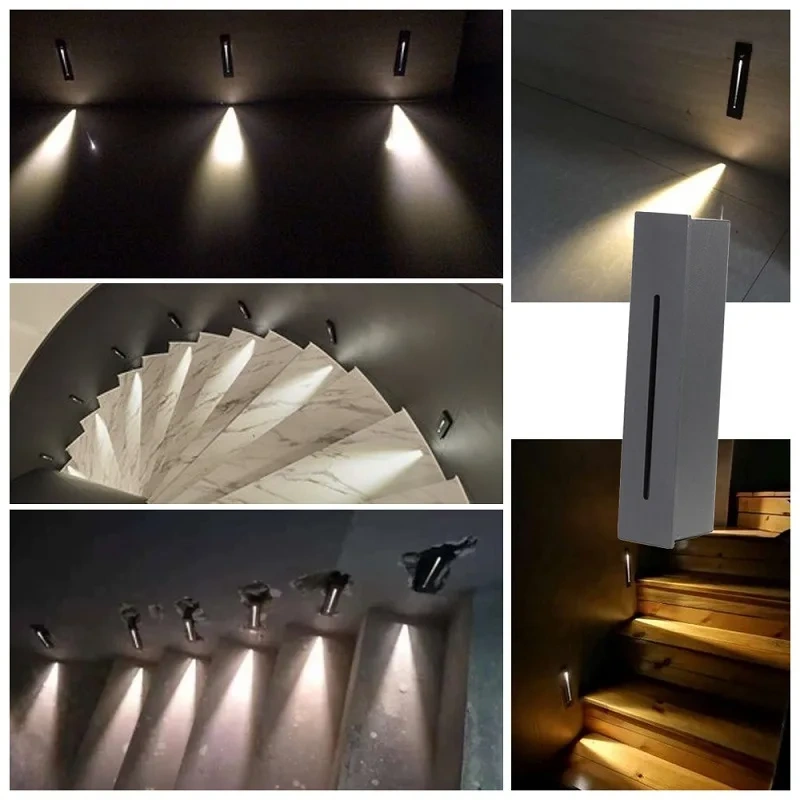
Key Advantages of LED Stair Lights Over Traditional Lighting
Enhanced Safety and Visibility Features
LED technology has made safety better in more ways than just lighting up rooms. LED stair lights don't need to warm up like lighting systems do because they can be turned on right away. In an emergency or when motion is detected, this quick lighting is very useful. Another good thing about LED lights is that they always have the same color temperature, so you can see clearly.
Modern LED stair lighting systems work wonderfully with smart building technologies, which let them dim, schedule, and set up plans for what to do in case of an emergency. Homes are safer and use less energy when they have standard features like motion detectors, sun harvesting, and occupation tracking. Not all old lighting systems can do this, which makes them less useful in current building control systems.
By focusing their light, LEDs get rid of many of the glare issues that come up with regular bulbs that shine light everywhere. With their accurate specs, LED lamps shine light right where it's needed. This gets rid of the dark spots and makes the stairs brighter all around. This way also cuts down on glare and light pollution, which makes the places where they are used more comfy.
Environmental Impact and Sustainability
Companies can be better for the earth with LED technology because it helps them get rid of dangerous materials and lower their carbon footprint. It's not hard to get rid of LED lighting, but it is hard to get rid of fluorescent lights because they contain mercury. Because LED systems last longer, they require less output and waste, which supports the cycle economy ideas that are becoming more important to people who buy things.
When LEDs are used, greenhouse gas pollution goes down right away because they use less power. A simple change to the lights in a business stairwell can save 60–75% of the energy used, which is great for getting green building standards and following environmental rules. Green rules are getting stricter, and these changes help companies meet their social duty goals.
Design Flexibility and Aesthetic Options
With LED technology, you can create in new ways that you couldn't with older lighting systems. LED stair lights can change the colors, which can make places to shop, eat, and have fun more interesting. Small LED profiles can be put into stairs, step nosings, and wall openings to create lighting effects in architecture that aren't possible with big standard lights.
LED lights can be used in places and with things that are sensitive to changes in temperature because they don't get too hot or too cold. They can now mix wood, plastic, and cloth without having to use hot lights, which can start fires. When builders and interior designers want to use lights in a way that looks good, this gives them more possibilities.
Procurement Considerations for LED Stair Lights
Technical Specifications and Performance Metrics
People who are in charge of buying things need to think about a number of important things when they choose LED stair lighting options. The number of lumens a light uses per watt tells you how energy-efficient it is and how much it costs to run. A good LED light gives off 100 to 150 lumens per watt, which is a lot more than most lights. If the Color Rendering Index (CRI) number is above 80, colors are seen properly. This is important for both safety and looks.
How well something works and how long it lasts are directly related to how well it can handle heat. The power of LED lights stays the same over time if they have good thermal design and heat loss. Temperature rates tell you what kind of environment is best, and from -20°C to +50°C, commercial-grade items will work fine. These specs are very important for outdoor stairs and places that are exposed to harsh weather.
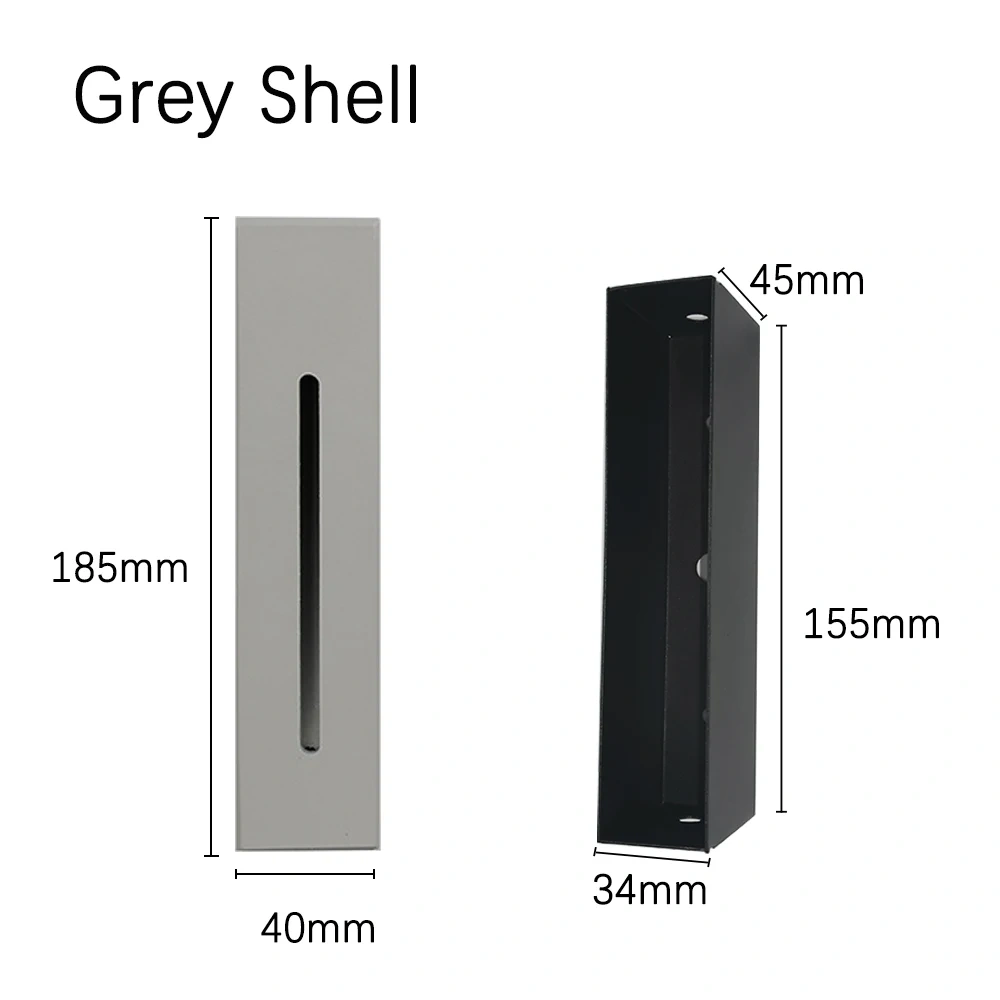
How well something can keep water and dust out is shown by its IP score. Devices that are used outside or in places with a lot of moisture must have an IP65 grade or higher to work properly. For indoor use, security levels should be between IP40 and IP54, but this can change based on how the area is cleaned and the weather.
Supplier Evaluation and Partnership Considerations
If you want to buy LEDs successfully, you need to carefully examine sellers beyond the product specs. Licenses to make things, quality control systems, and testing methods all show that you can trust the company and that the goods are always the same. Following certificates like UL, CE, RoHS, and DLC show that the product is safe and works well in that area.
Supply chain skills are very important when you buy in bulk and help with repairs all the time. When working on big projects, it's best to work with sellers who already have established logistics systems, tools for professional help, and ways to keep track of their stock. With OEM and ODM features, you can change things to fit the needs of a specific project, such as meeting specific design and functional needs.
Basic sellers are not the same as quality sources because basic sellers don't offer guarantees or service support. Full warranties that cover 5 to 7 years for LED chips, drivers, and mechanical parts show that the seller is sure the item is good. Having access to expert support, like startup guides and help fixing issues, lowers the chances of problems during implementation and ongoing use.
Cost Analysis and Value Proposition
A good way to see how much LED and regular lights really cost is to look at their total cost of ownership (TCO). LED lights generally cost more than regular ones at first, but they pay for themselves in 12 to 24 months because they use less energy and don't need as much upkeep. The payback times for LED stair lights are very good because they are used so often.
To find out how much energy costs, you need to look at the local utility rates, demand charges, and any award programs that might be in place. It saves money to move to LED lights because many companies offer rebates for doing so. Use-based pricing can make LEDs even more useful since they don't have to meet as high of a demand. When a project is accepted and when it starts are often based on these financial factors.
Cutting down on upkeep costs is very valuable, and it saves energy as well. Fewer service calls, less work that needs to be done, and less inventory of replacement parts are all signs of better working efficiency. Cutting down on maintenance jobs not only makes things safer but also lowers risk, which is very important in business places with a lot of foot traffic.
Installation and Maintenance Best Practices
Professional Installation Requirements
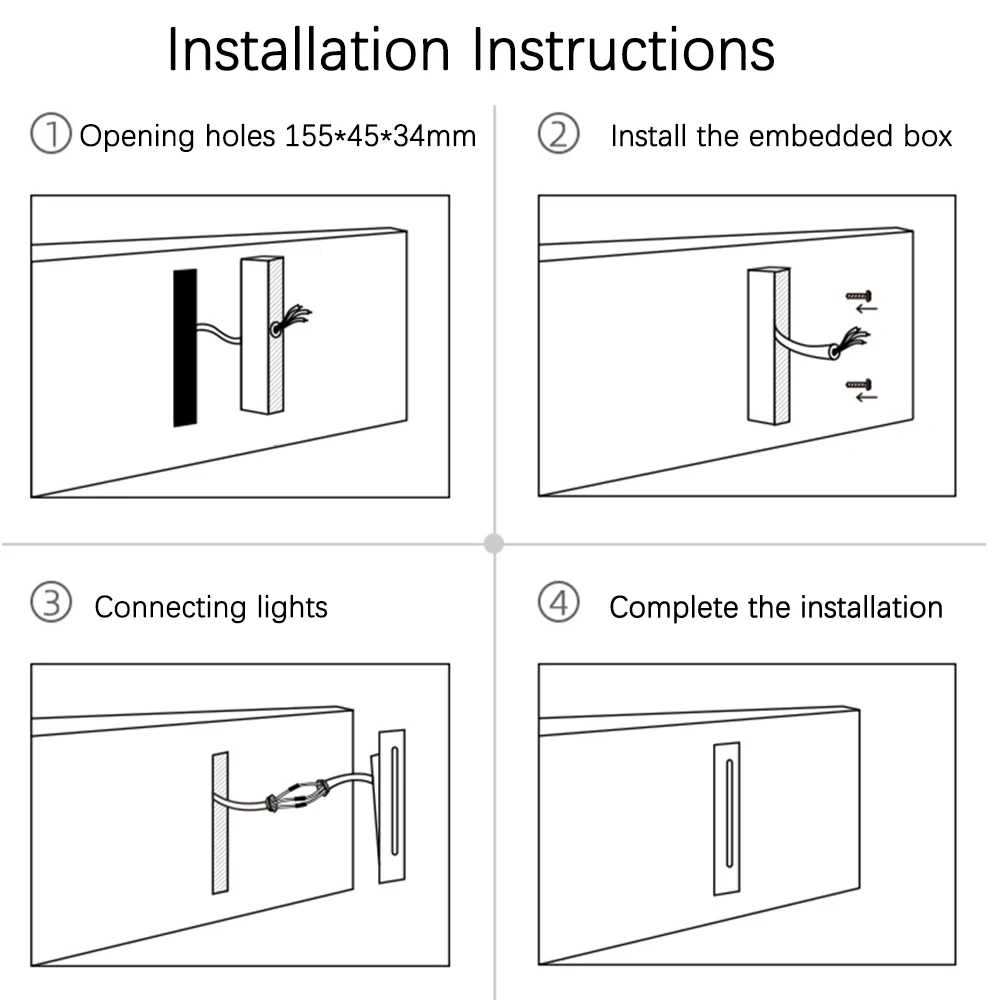
LED stair light installation requires specific expertise beyond traditional lighting knowledge. Driver compatibility, thermal management, and control system integration demand professional electrical contractor involvement. Improper installation can void warranties and create safety hazards, making qualified contractor selection crucial for project success.
Before putting in LEDs correctly, the electrical parts need to be checked out. Upgrades may need to be made to the lines, circuits, and control systems that are already in place so that LED lights and smart features can be added. Regular dimmers might not work well with LED drivers, so it's very important that the dimmers work with them. When a professional looks at the infrastructure, they can see what changes need to be made and avoid mistakes that would cost a lot of money during installation.
Safety rules during installation include separating the circuit properly, making sure there is fall protection for work on stairs, and following the plans for how the building will be used. It's important to do as little damage as possible when putting in LEDs in places where a lot of people walk by. Professional contractors make plans that take into account both how fast the job needs to be done and what the building will be used for.
Maintenance Protocols and Optimization
The maintenance needs for LEDs are very different from those for regular lights. Cleaning it often keeps the light working at its best and stops dirt from building up, which can make it less effective. Clean LED glasses and lights with mild cleaners and soft cloths. They won't get broken. Hard chemicals and abrasive materials can damage LED parts and void warranties.
When you track performance, you can do preventative maintenance and find issues before they get too big. Most LED lamps lose their brightness slowly over time, rather than all at once. This means that you can replace them before you need to call for help. Monitoring tools can keep an eye on how slowly things are running and help you schedule repairs for times that work best for you.
The most usual way to fix an LED is to change the drivers. Every 10 to 15 years, most LED drivers need to be changed. That's a lot of time before the LED chips break. When you need to update a driver, you don't have to change the whole system because the specs are already set. When you keep extra drivers on hand, you can quickly fix any problems that come up when you're not doing regular repair rounds.
Troubleshooting Common Issues
It's not the same to fix problems with LED lighting systems as it is with other types of lighting systems. Flickering is generally caused by a problem with the driver or a mismatched dimmer, not by broken lights. Not all the faucets are the same color. This could mean that the heat isn't being managed properly or that they weren't made in the same batch. You won't have to buy new things if you get them fixed by a professional, and they'll also find systemic problems that need to be fixed.
The environment has a big impact on how well LEDs work and how long they last. Something can lose its usefulness and life if it gets too hot, wet, or vibrates too much. The best way to get a profit on your investment is to find and fix environmental problems before they happen again. LED stair lights made for specific places are more reliable over time than LED lights used for general lighting.
Decision-Making Framework for B2B Procurement of Stair Lights
Project Requirements Assessment
Before you can buy LEDs, you need to carefully think about what you need them for. There must be enough lux, which is the unit of measure for light, to meet safety and building codes. 10 to 20 foot-candles are needed for general travel on stairs. In places of work with a lot of foot traffic, you need higher floors. There are more information about backup power and the least amount of light in the emergency lighting guidelines.
The setting changes the tools that are chosen and the results that are expected. Which LEDs will work best can be affected by things like high or low humidity, extreme temperatures, and cleaning chemicals. When you put lights outside, you need ones that can handle the weather and have the right IP grade. When installing things inside, you should think about how they look and how easy they are to clean.
The need to integrate control systems has a big effect on the decisions that are made about what to buy. For simple tasks, turning things on and off is all that's needed. For more complicated business setups, you need to track usage, use daylight, and connect building control systems. If you know about the need for control early on, you can avoid expensive changes and make sure the system works at its best.
Vendor Qualification and Selection
Along with product specs, you should also think about the vendor's customer service and whether you could work with them for a long time. Technical knowledge, which can be shown through completed projects and professional credentials, shows how well a seller can handle complicated methods. Installation support, training programs, and ongoing professional help are all useful at different stages of a project's lifecycle.
Buying investments are safe from changes in how sellers do business as long as the finances are stable and there are plans for business survival. It's more possible that buyers who have been in business for a while, have a lot of customers, and are doing well financially will be able to get help in the future. LED stair lights represent long-term investments requiring vendor support throughout their operational life.
Licenses to make things and quality control systems make sure that the standard and dependability of a product always stay the same. UL rating, ISO 9001 recognition, and other quality credentials show that a seller wants to do a great job. Tools and processes for quality assurance make sure that products meet requirements and work as planned in real life.
Conclusion
Changing the lighting on the stairs from regular lights to LED lights is an investment in safety, speed, and the success of the company. It is more energy-efficient to use LED stair lights instead of regular lights because they last longer, use less energy, and are safer. A close study of technical skills, buying factors, and the best ways to carry out tasks reveals that LED technology offers a lot of value. These benefits can help business buildings, builders, and procurement workers decide whether to replace or add new stairs lights. The data makes it clear that LED lighting is the best option for current hallway lighting needs.
FAQ
What are the main differences between LED and traditional stair lighting?
LED stair lighting utilizes semiconductor technology that consumes 75–80% less energy than regular electric systems while lasting 25–50 times longer. Traditional lighting relies on filament heating or gas discharge, generating substantial heat waste and requiring frequent replacement. LED light bulbs give off light quickly, connect to smart building systems, and offer better safety features, like the ability to sense motion and call for help in an emergency.
How long do LED stair lights typically last compared to traditional options?
Most of the time, good LED stair lights last between 50,000 and 100,000 hours. This lasts longer than both incandescent lights (1,000 to 2,000 hours) and fluorescent ones (8,000 to 15,000 hours). Because they last longer, they don't need to be taken care of as much and don't have to be replaced as often as bulbs do in older systems, which saves money over time.
What safety advantages do LED stair lights provide over traditional lighting?
LED stair lights offer instant-on capability without warm-up delays, ensuring immediate illumination for emergency situations. Motion detectors and occupancy detection systems work perfectly with them. This makes controlling the lights more automatic and safer for people who use them. LED lights also don't make much heat and keep the color temperature the same over their whole life. This makes them safer than regular high-temperature lighting systems.
Upgrade Your Stair Lighting with USKYLED Solutions
USKYLED specializes in manufacturing premium LED stair lights engineered for commercial applications worldwide. Our advanced solid-state lighting technology delivers exceptional energy efficiency, extended lifespan, and superior safety performance. Contact our technical team at sales@uskyled.com to discuss your LED stair lights supplier requirements and discover customized solutions that meet your specific project needs.
References
1. Illuminating Engineering Society. "Recommended Practice for Lighting Design for Educational Facilities." IESNA RP-3-13, 2013.
2. U.S. Department of Energy. "LED Lighting Facts: Performance and Energy Efficiency Analysis." Building Technologies Office Report, 2022.
3. International Building Code. "Emergency and Exit Illumination Requirements for Commercial Buildings." Chapter 10: Means of Egress, 2021 Edition.
4. American National Standards Institute. "Safety Standards for LED Lighting Systems in Commercial Applications." ANSI C78.377-2017.
5. Green Building Council. "LEED v4.1 Building Design and Construction Guidelines for Energy Efficient Lighting." Leadership in Energy and Environmental Design, 2020.
6. National Fire Protection Association. "Life Safety Code Requirements for Stair and Exit Lighting Systems." NFPA 101: Life Safety Code, 2021 Edition.


