Many people encounter the same issue when choosing lamps or designing lighting plans:
Some lights produce a highly concentrated "spot," while others spread out over a large area, looking soft and diffused. Many assume this is simply a matter of brightness or wattage. In reality, it comes down to a crucial but often overlooked parameter: Beam Angle.
I. What is Beam Angle?
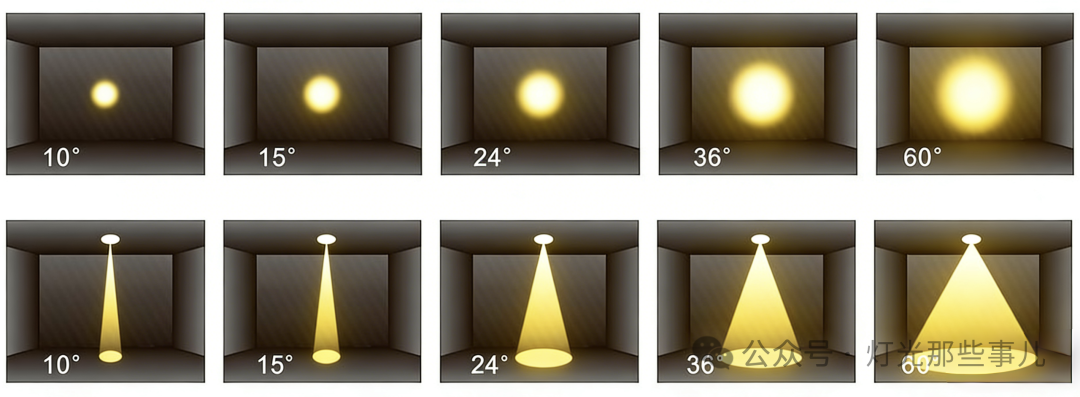
Beam Angle is the parameter used to describe the "spread" of light. Simply put, it represents the angle at which light emits and scatters from a fixture.
Think of it like a flashlight's focus: the narrower you tune it, the more it looks like a "beam"; the wider you tune it, the more it becomes a "wash" of light.
II. Why Are Some Lights Highly Focused?
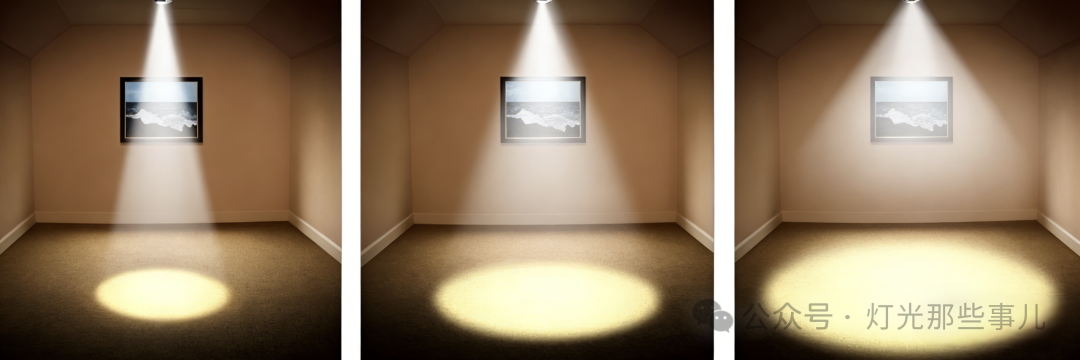
In practical applications, whether a lamp "focuses" or "diffuses" light depends primarily on its beam angle design.
When the beam angle is small, the light is compressed into a narrow range by optical structures (like lenses or reflectors), creating a high-intensity, concentrated spot. When the beam angle is large, the light is spread across a wider area; the brightness becomes more uniform, but it no longer stands out.
If you ignore the beam angle, you might run into these issues:
-
The lamp seems bright, but the key areas aren't highlighted.
-
Certain spots are too bright while the surroundings remain dark, leading to an unbalanced visual effect.
Therefore, in professional lighting design, beam angle is one of the core parameters that determines "where to light and how to light."
III. Common Applications for This Parameter
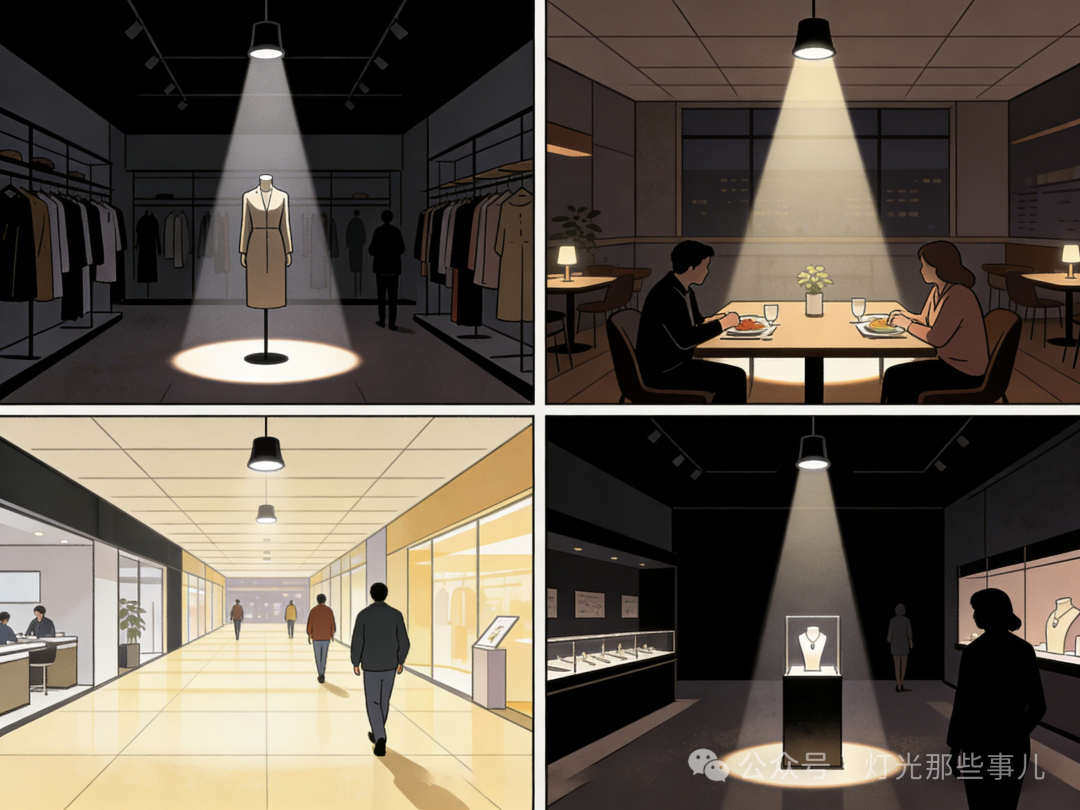
Beam angles are widely used across various industries, including showrooms, commercial spaces, restaurants, and offices. Different scenarios have vastly different requirements:
-
Showrooms or Clothing Stores: Tend to use narrow beam angles to highlight flagship products.
-
Offices or Mall Aisles: Require wide beam angles to achieve uniform, general lighting.
When designing or purchasing fixtures, remember: a beam angle isn't "better" just because it’s smaller or larger. It’s about making the right choice based on the specific setting.
In short: Beam angle determines whether light is concentrated or dispersed. Different angles create completely different effects. 👉 Brightness is one thing; precision is another.


