Modern lighting systems depend on high-efficiency LED drivers to turn electricity into the carefully controlled output that LED lights need. These power exchange devices work at more than 90% efficiency, which means they keep the voltage or current constant while wasting as little energy as possible. When procurement managers carefully choose LED driver components, they can save a lot of money, make sure that fixtures last longer, and make sure that they meet strict performance standards. With the right driver technology, simple setups can be turned into successful, long-lasting lighting projects that meet the needs of both end users and government regulations in a wide range of business settings.
Understanding High Efficiency LED Drivers
Defining Efficiency Standards
As a number, driver efficiency shows how much useful output power there is compared to the total input power that is used. Standard types are about 80–85% efficient, while high-performance units are more than 90–95% efficient. That 10 to 15 percent difference immediately means less heat, lower energy bills, and longer component life, all of which are important when selecting hundreds of fixtures for business installations.
Core Operational Principles
These gadgets use switched-mode power source technology, which controls output with high-frequency switching circuits. Constant current drivers keep the amperage steady even when the voltage changes. This makes them perfect for LED panels where the brightness is controlled by the stability of the current. Constant voltage types give a steady output voltage and are often used in lighting strips for buildings. Figuring out which structure fits your fixture needs will keep you from having problems with compatibility and speed.
Driver Type Classification
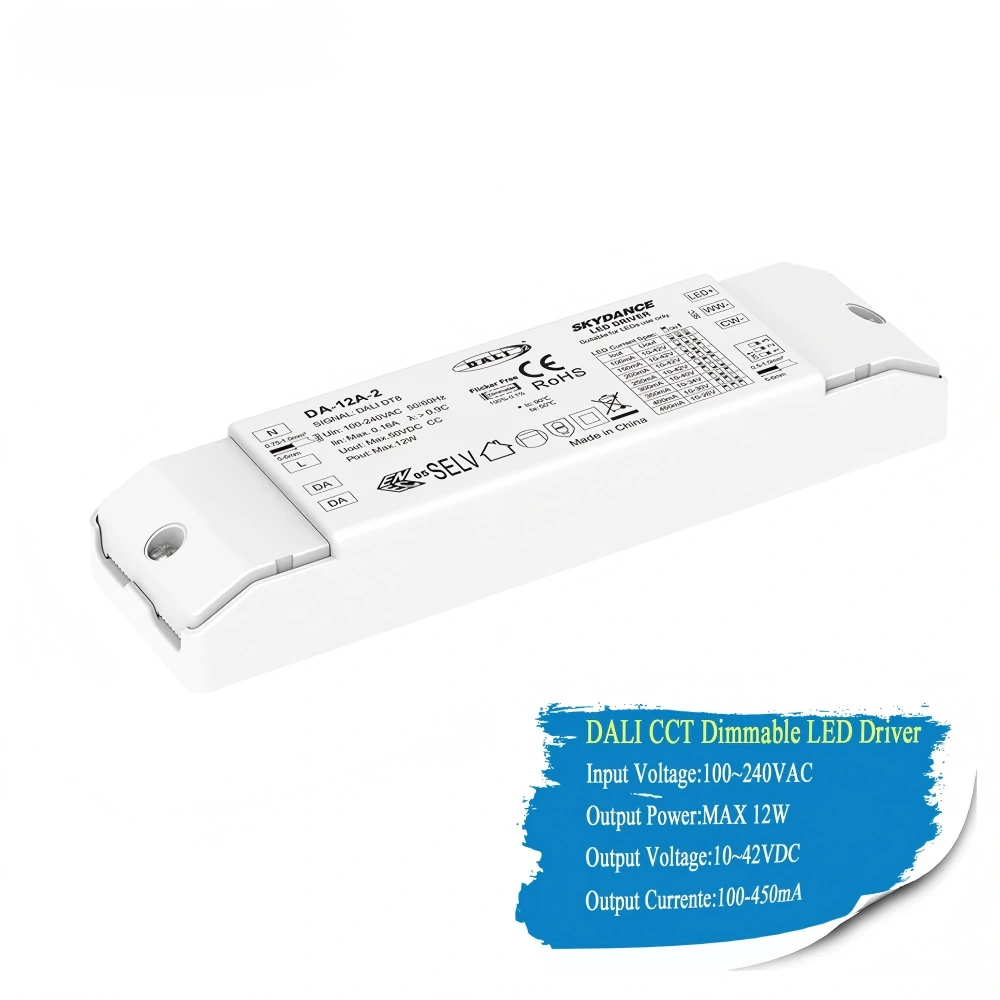
Dimmable LED drivers have extra parts that allow for 0-10V, DALI, or phase-cut dimming procedures. This is important for places like hotels and stores that need to control the mood. For industrial buildings or parking garages, non-dimmable units are easier to use and cost less. Smart drivers that can link to the internet of things (IoT) allow for remote tracking and automated scheduling, which is becoming more and more popular in city street lighting networks that want to improve how they work.
Critical Technical Specifications
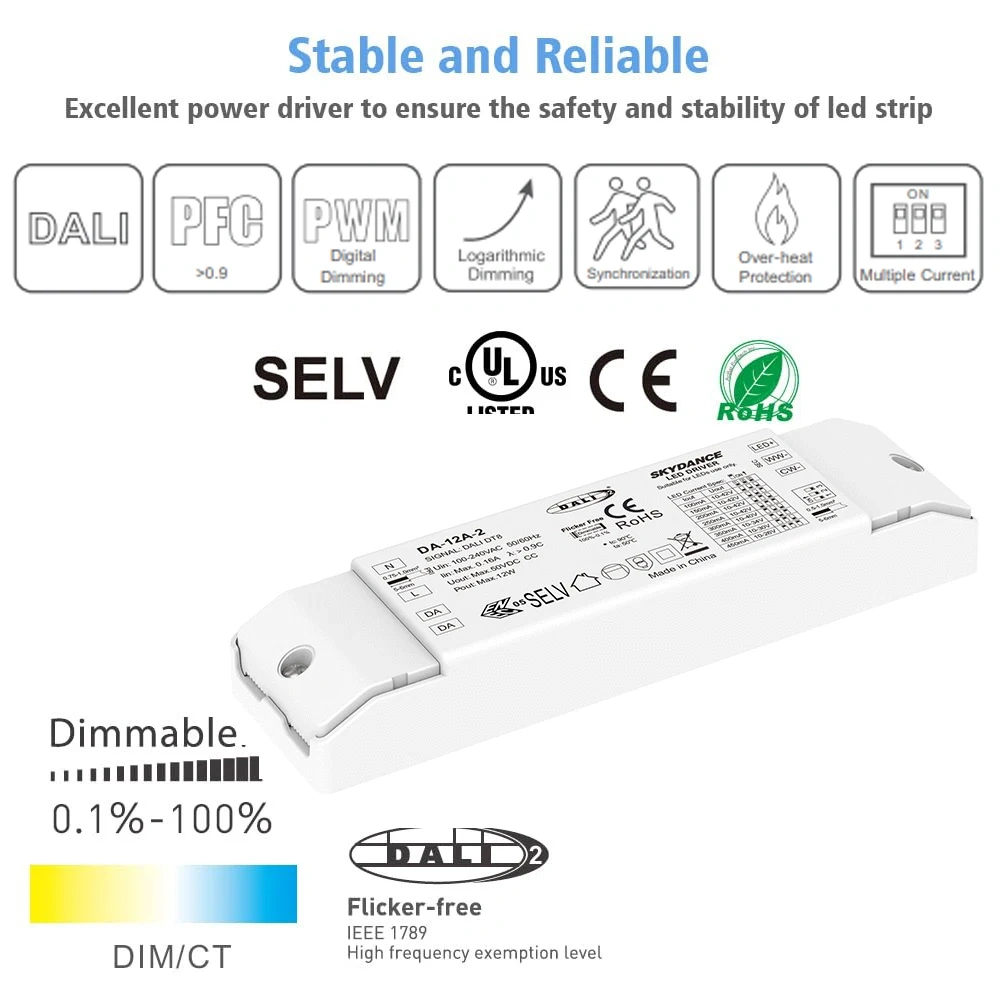
Power factor adjustment above 0.90 makes sure that the grid is used efficiently and meets utility standards in many places. Thermal management with metal housings and protective coats makes it possible for devices to work reliably in temperatures as high as 50 to 60°C. When there are electrical problems, surge safety and short-circuit safeguards keep fatal fails from happening. Standards for safety and the environment in North America and Europe are met by certifications such as UL Class 2, IP67 water protection, and RoHS compliance.
Top Benefits of Using High Efficiency LED Drivers
When you choose better driver technology, you get measurable benefits that affect project costs and the long-term success of your operations. These benefits go beyond just saving energy; they also include system reliability, low-cost upkeep, and caring for the environment, all of which are important factors that fit with current buying habits.
Significant Energy Savings and Cost Reduction
A LED driver that is 95% efficient and powers a 100W light only loses 5W as heat, while a driver that is 85% efficient loses 15W. If 500 lights are used for 4,000 hours a year, that 10W difference per unit saves 20,000 kWh a year, which is $2,400 in energy savings at normal business rates. These price cuts add up over the 10 to 15 years that installations last, directly increasing the project's return on investment (ROI) and saving up money for more improvements.
Enhanced Lighting Stability and Flicker Elimination
Even when voltage drops or rises, premium drivers keep output control within a 3% range. This accuracy gets rid of noticeable flicker, which is a big problem in healthcare settings where sensitive imaging equipment needs clean power and in stores where product displays need even lighting. Stable output also stops LEDs from breaking down too quickly because of changes in power, so the original light output lasts longer.
Extended Product Lifespan and Maintenance Reduction
Heat is the main thing that shortens the life of electronics. Drivers that are more efficient and produce less heat waste run cooler, which is better for capacitors, electronics, and solder joints. According to data from the industry, well-designed drivers can last between 50,000 and 70,000 hours, which is longer than the lifetime of an LED module and saves money on repair costs. This dependability is especially useful in places that are hard to get to, like high-bay industrial ceilings or outdoor architectural installations, where the cost of upkeep is high because of the tasks involved.
Environmental Benefits and Regulatory Compliance
Less energy use directly lowers carbon emissions, which is in line with LEED certification standards and company green goals. Energy codes are getting stricter, like California's Title 24 and the European Union's ErP guidelines. High-efficiency drivers help projects meet these codes. Third-party test results and certification marks that back up these claims of compliance make getting permits easier and speed up the approval process for projects.
Integrated Safety Features
Good drivers have over-temperature safety that lowers power before parts fail, keeping fires from happening. In the event of an electrical fault, short-circuit and over-voltage protections keep both the driver and the connected LED panels safe. These safety features lower the risk of responsibility and insurance costs while still making sure that operations are safe in harsh places like chemical plants or food processing plants.
How to Choose the Right High Efficiency LED Driver for Your Project?
Assessing System Requirements
Start by matching the output needs of the LED driver with those of the device. A group of LEDs that need 24V and 1.5A needs a constant voltage driver that can provide those specs with enough wattage spare, usually 20% more than the estimated load. Make sure it works with any dimming methods listed in the project documents. Installing drivers that don't work with older systems will require expensive replacements later on.
Environmental Considerations and IP Ratings
For outdoor use, barriers with an IP65 or IP67 rating are needed to keep out wetness and dust. Installations in parking garages have to work in a wide range of temperatures and humidity levels. Lower IP scores are okay for offices that are inside, but places near bathrooms or kitchens may need UL damp location listings. When protection levels are matched to real-world situations, early breakdowns and warranty disagreements are avoided.
Brand Comparisons and Market Leaders
Mean Well is the leader in industrial uses thanks to its strong designs and wide range of products, which range from 5W to 500W outputs. For building jobs, Philips Advance and Osram both have high-end options that work well with a wide range of dimmers. Inventronics specializes in customizable drivers that let OEM partners make their own output shapes. For multi-phase projects, solid supply chains are made by looking at the track records of manufacturers, the terms of warranties, and regional delivery networks.
Cost-Performance Trade-Offs
The cost of premium drivers is 15–25% more than the cost of generic drivers, but their better efficiency, longer lifespans, and lower failure rates save money over the lives of an installation. Total cost of ownership calculations should include things like saved energy, fewer repair visits, and not having to replace things in an emergency. These are things that are often forgotten when procurement only looks at the initial cost of purchase.
Customization and Certification Needs
OEM partners who are making fixtures with their own brands may need special mechanical measurements, output tuning, or private labeling. Check to see if the makers offer engineering help for these changes and have the right certifications for the markets they want to reach, such as UL approval for North America, CE marking for Europe, and SAA approval for Australia. Making sure that the necessary paperwork is available before placing large orders helps keep delays at customs clearance from becoming expensive.
Installation and Troubleshooting Tips for High Efficiency LED Drivers
Proper Installation Protocols
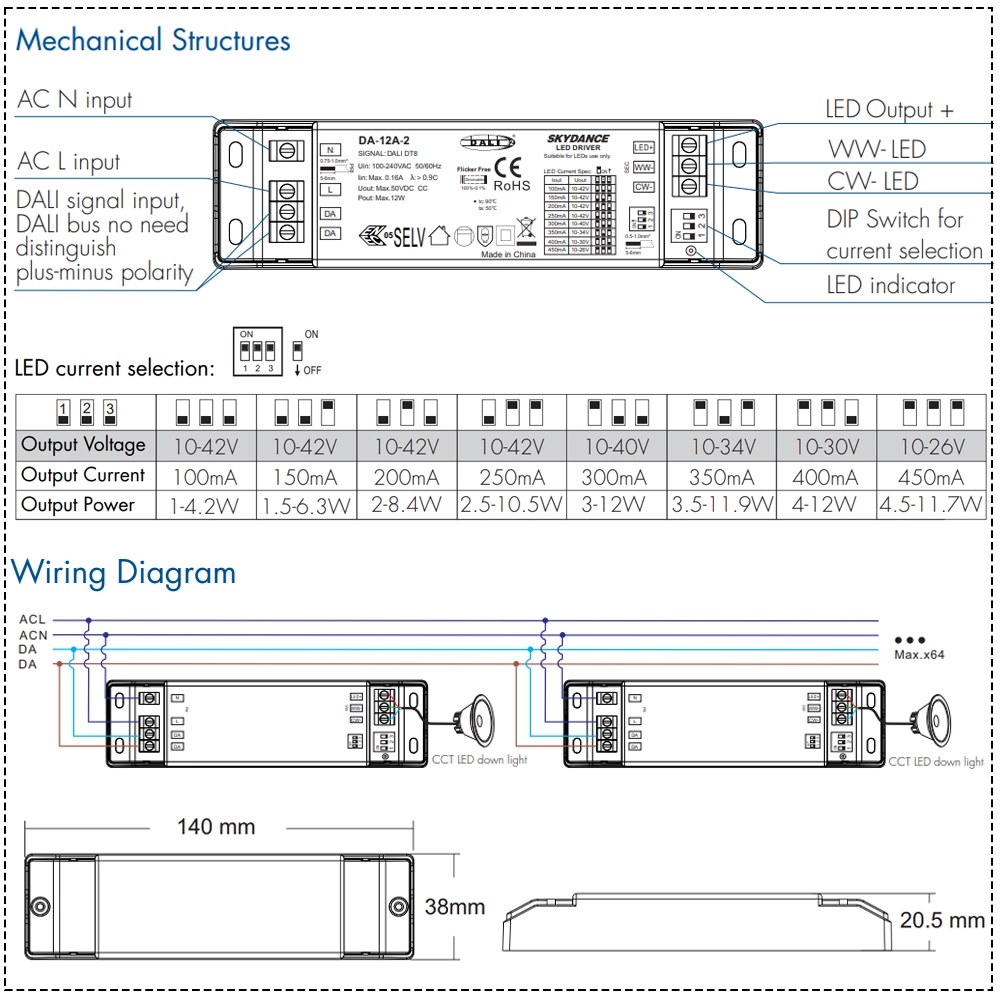
Always turn off circuits before connecting wires to keep people from getting shocked and to keep equipment from breaking. Carefully follow the polarity markings—reversing the DC output leads can quickly destroy LED arrays. Place LED drivers in places with good air flow and make sure they stay away from heat sinks as far as the maker specifies. Use wire sizes that are rated for the amount of current you expect to flow. Conductors that are too small cause voltage drops that hurt performance.
Common Issues and Diagnostic Techniques
Often, flickering means that the dimming systems are not suitable or that the links at the terminal blocks are loose. Check the dimmer connection charts and make sure the wire ends are properly torqued. When the input power goes up or the temperature rises too high, the motor usually stops working completely. Check to see if the airflow is stopped or if there is surge protection before the driver. Gradual output loss could mean that the LED is wearing out instead of the driver not working right. Check the driver output voltage under load to find the broken part.
End-of-Life Signs and Planning for Replacement
Drivers that are about to fail have popping sounds coming from capacitors that are failing or discoloration on the casings that shows they are getting too hot. Instead of waiting for catastrophic failures, set up replacement plans based on maker recommendations and real working hours. Keep extra copies of important driver models on hand for big setups so that they can be fixed quickly if there are unexpected power outages.
Case Studies: Proven Benefits in Real-World Applications
Commercial Building Retrofit Success
A 12-story office building in Chicago replaced 1,200 old light bulbs with LED systems that are driven by LED drivers that are 92% more efficient. The amount of energy used each year went down from 480,000 kWh to 312,000 kWh, a 35% drop that saved $20,160 per year. The project paid for itself in 3.2 years and got rid of the need to change ballast every month, which used to cost an average of $800. Tenants said the lighting was more even and lessened eye pain, which helped get their leases renewed.
Municipal Street Lighting Transformation
A city in Texas replaced 3,500 streetlights with smart drivers that could be controlled from afar, making them 94% more efficient. Networked settings let the lights be dimmed during times of low traffic, which cut energy use by another 18%. Maintenance visits dropped by 60% because the system was more reliable, which freed up teams to work on other building needs. The state gave funds for energy saving to the project, which covered 40% of the costs of installation.
Custom OEM Driver Development
A company that makes outdoor lights and a company that sells drivers worked together to make IP68-rated parts for submersible fountain features. Custom output curves were made to match specific RGBW LED arrays, and potting materials made sure the devices were waterproof up to 3 meters deep. The new line of products got 22% of the market share in ornamental water feature areas. This shows how customized driver solutions can help products stand out.
Conclusion
High-efficiency LED drivers are not just parts; they are strategic investments that have a direct effect on the economy, dependability, and environmental performance of a project. Their better power transfer cuts down on waste, makes systems last longer, and makes sure they follow changing energy rules. When procurement professionals put quality drivers first by looking at scores for efficiency, certifications, and maker support, they set their companies up for long-lasting, low-cost lighting infrastructure. We hope that the case studies and selection factors in this article help you make smart choices for business, government, and OEM uses. When you follow these best practices, your lighting projects go from being simple setups to long-term investments that give you measured returns.
FAQ
What is the typical lifespan of a high-efficiency LED driver?
When used properly, good LED drivers with an efficiency grade of 90% or higher usually last between 50,000 and 70,000 hours. This means 11 to 16 years if it runs for 12 hours a day. It depends on how well the temperature is managed, the temperature of the environment, and the amount of electricity stress. These lifespans are always reached by units that are kept within their stated temperature ranges and shielded from voltage surges. In fact, the units often last longer than the LED modules they power.
Are high-efficiency drives compatible with lights that are waterproof and used outside?
Of course. Manufacturers make drivers with IP65, IP66, and IP67 ratings that are especially made to work outside. It is impossible for moisture and dust to get inside these protected boxes. When choosing outdoor drivers, make sure that the working temperature ranges are suitable for your area and that the conformal coating keeps the circuit boards dry. Landscape lights and building wall uses can be reliable for a long time if they are installed correctly in waterproof junction boxes.
How do I confirm driver and fixture compatibility before bulk purchasing?
Check the LED fixture's specs to see what voltage, current, and dimmer methods it needs. Match these exactly to the output values of the drivers, leaving 20% of power headroom. Ask both makers for paperwork on how their products work together. If you can, try the product physically with sample units before placing a big order. Reliable suppliers offer expert help to make sure that the system works together, which cuts down on costly mistakes that happen during installation.
Partner With USKYLED for Superior LED Driver Solutions
USKYLED sells cutting-edge lighting solutions that combine our high-quality LED lights with high-efficiency LED drivers. Our engineering team works with top power supply makers to find drivers that meet the exact needs of each project, whether it's for a hotel update that needs adjustable smart controls or an industrial setting that needs ruggedized IP67 solutions. Get in touch with our team at sales@uskyled.com to talk about how our relationships with LED driver suppliers can help you get combined lighting solutions that work best for your project and your budget.
References
1. U.S. Department of Energy. (2023). LED Driver Efficiency Standards and Performance Metrics. Solid-State Lighting Program Technical Report Series.
2. Illuminating Engineering Society. (2022). Recommended Practices for LED System Power Supply Selection. IES Technical Memorandum TM-34-22.
3. European Commission Joint Research Centre. (2021). Energy Efficiency Requirements for LED Drivers Under ErP Directive 2019/2020. EU Science Hub Publications.
4. DesignLights Consortium. (2023). Technical Requirements for LED Driver Qualification: Version 5.1. DLC Product Specification Guidelines.
5. Institute of Electrical and Electronics Engineers. (2022). IEEE Standard 1789: Recommended Practices for Modulating Current in High-Brightness LEDs for Mitigating Health Risks. IEEE Standards Association.
6. National Electrical Manufacturers Association. (2023). Application Guide for LED Drivers in Commercial Lighting Systems. NEMA LSD 66-2023 Standard.


