Outdoor wall sconces make design statements on the outside of buildings and provide necessary security lighting. When choosing the right lights, you need to think about how long the materials will last, how well they use energy, and how well they look with the rest of your home's style. B2B buying teams have to find a balance between up-front costs and long-term costs like licenses, upkeep, and the supplier's dependability. This guide provides a structured framework to help sourcing managers, project engineers, and lighting contractors understand specs, compare technologies, and build trusting relationships with makers who can handle large orders and specific needs.
Understanding Outdoor Wall Sconces and Their Impact on Curb Appeal
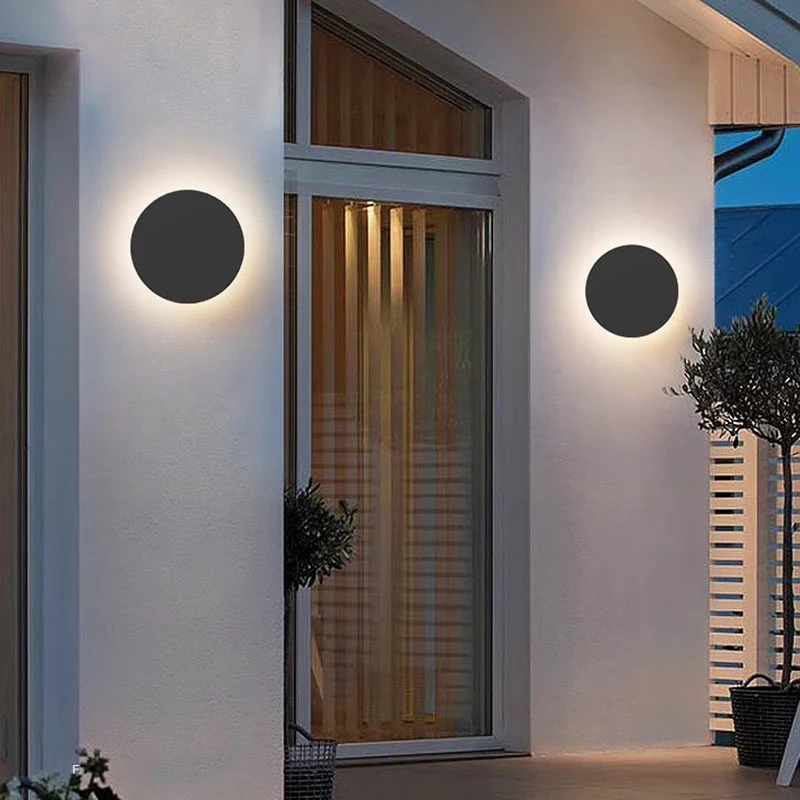
Learn about Outdoor wall sconces and how they affect curb appeal. Exterior lighting units that are placed on the wall do more than just provide light. They make hotel and business entrances more welcome, improve the look of storefronts with architecture, and make the area around public buildings safer for people walking. Property managers are becoming more and more aware that how the lights are set up directly affects how much people think the property is worth and how happy their tenants are.
The Aesthetic and Functional Balance
Modern lighting for buildings combines good looks with useful functions. Wall-mounted lights need to be able to handle external stresses and look good with the building's materials and style. Metal housings with powder-coated finishes don't rust in coastal areas, and toughened glass eyes stay clear even when they are exposed to UV light. When device design and building style work together, they create visual stories that make high-quality projects stand out from standard construction.
Energy Efficiency and Operational Savings
LED technology has changed the cost of outdoor lights in a big way. Commercial-grade LED wall lamps produce more lumens while using 70–85% less energy than standard halogen or incandescent lights. A normal 15-watt LED bulb gives off as much light as a 100-watt incandescent lamp. Over a 50,000-hour life, this means big savings on energy costs and fewer repair visits. Dimmable LED systems with color temperatures that can be changed from 2700K bright white to 5000K sunshine tones are especially helpful for buildings that manage multiple properties in different climate zones.
Security Through Strategic Illumination
Using strategic lighting to improve safety. Visibility at night keeps people from getting in without permission and lowers your risk of being sued. When placed near entrances, loading docks, and surrounding walks, wall sconces create overlapping light covering that gets rid of dark spots. Motion-activated models save energy during times when they aren't being used, but they instantly turn on to full light when they sense movement. Photocell-equipped lights automatically turn on and off from dusk until dawn, which is very important for places that don't have a lot of staff on site.
Criteria for Choosing the Right Outdoor Wall Sconces
Tips for Picking the Best Outdoor wall sconces. Systematic evaluation systems that put project-specific needs first help with procurement choices. We suggest a method that gives different levels of weight to different factors, such as technical requirements, artistic concerns, and provider abilities.
Defining Project Parameters
Setting the project's limits. For commercial repairs, the requirements are different from those for new building. Most retrofit projects use the electrical equipment that is already there, which limits the size of the fixtures and the amount of power they need. Integrated lighting design can be built into new buildings from the beginning of the planning process. This lets wires be hidden and control systems work together. Local laws about light trespass, glare control, and dark sky rules must be followed for municipal work. In hospitality projects, the focus is on how the building looks and how the guests feel, while in industrial facilities, the focus is on sturdiness and high lumen output.
Material Quality and Environmental Resistance
Quality of the materials and resistance to the environment. How long a fixture lasts depends on the materials used to make it and where it will be installed. Die-cast metal housings are very resistant to rusting in coastal areas where salt spray is common. In places with a lot of humidity, stainless steel rivets keep things from falling apart because of rust. Enclosures with an IP65 rating keep water out of internal parts during pressure washing or storms. When they are in full sunlight, UV-stabilized polycarbonate lenses keep their sharpness better than regular acrylic lenses. According to ASTM guidelines, procurement teams should ask for proof that the product can withstand salt spray, thermal cycles, and contact.
Lighting Performance Metrics
Performance metrics for lighting. Technical details have a direct effect on how visible something is and how much it costs to run. The coverage area is based on the light output. Depending on the mounting height and use, most wall lanterns have an output range of 800 to 3000 lumens. Color Rendering Index numbers above 90 make sure that signs and displays in stores show colors correctly. Choosing the right beam angle changes how the light is spread: small spots bring out the features of buildings, while wide floods light up a large area. The specs for the purchase should list the basic photometric needs and ask for IES files for software that simulates lighting.
Real-World Application: Hotel Exterior Upgrade
Use in the real world: improving the outside of a hotel. A 200-room hotel company recently ordered wall sconces to be used in the renovations of the fronts of 15 properties in different conditions. Energy efficiency was given 30% of the weight in the procurement factors, followed by aesthetic alignment at 25%, longevity at 25%, and supplier support at 20%. The chosen maker offered adjustable housing finishes that would match the existing building materials, built-in controls for the photocell and dimming, and promised to deliver new parts within 72 hours. Energy tests done after installation showed that the lights used 68% less energy than the old halogen ones, and the return on investment is expected to be within 2.3 years.
Comparing Popular Outdoor Wall Sconce Options for Security and Style
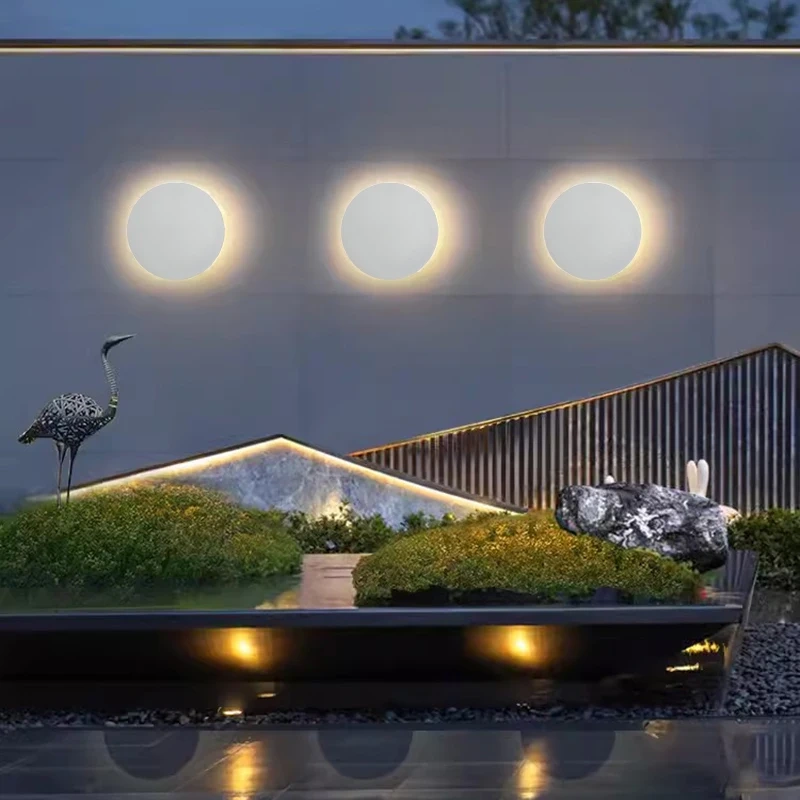
Comparing the Styles and Security of Common Outdoor wall sconces. Choice of technology affects both the original investment and the prices over the life of the product. Specifications can be more in line with project goals if you know the trade-offs between design types, power sources, and control features.
Modern Versus Traditional Design Languages
Modern design languages vs. traditional ones. The clean geometric shapes and simple decorations of modern lights make them perfect for glass-and-steel buildings. For adaptive reuse projects and small store spaces, industrial styles use exposed hardware and Edison lights that look like they're from the past. Traditional lamp styles with oil-rubbed brass and seeded glass finishes look great on historic buildings and residential-style guest houses. The choice of material affects how high-quality something is thought to be. For example, cast brass and copper develop patinas over time, while powder-coated metal stays the same look with little upkeep.
Wired Versus Solar-Powered Systems
Solar-powered vs. wired systems. Grid-connected lights make sure that the lighting always works, no matter what the weather is like. Low-voltage systems that run on 12V or 24V lower the cost and complexity of installation and follow the rules for electrical systems. Solar types don't need trenches, so they can be used in remote areas where utilities can't reach them. However, the efficiency of solar panels depends on where they are located and how much shade they get. To keep giving off enough light when it's dark, commercial solar sconces need bigger battery banks and panel arrays than domestic ones. For mission-critical security purposes, hybrid systems with both a battery backup and a utility link offer resilience.
Smart Controls and Motion Detection
Smart controls and alerts for movement. Networked lighting systems let properties that are spread out be monitored from afar and save energy. Fixtures can be connected to wireless mesh networks without the need for separate control wires. This makes retrofit installs easier. During off-peak hours, occupancy monitors lower the output based on what they see, which saves energy. Daylight harvesting systems turn down artificial lighting when there is enough light from the sun. Integration with building management tools lets schedules and diagnostic reports be handled centrally. These features are especially helpful for property management companies that are in charge of several sites but don't have a lot of staff on hand.
LED Technology Versus Legacy Lighting
LED lighting vs. traditional lighting. Light-emitting diode systems are the most common type of new business installs because they work so well. Incandescent systems need new lamps every year, but LED lights need new ones every 10 to 15 years. Solid-state technology can handle pressure and shock better than strands, which are more likely to break. With instant-on operation, metal halide and high-pressure sodium lamps don't need to warm up first. When compared to wide sources that need reflectors, directed light output wastes fewer lumens. Total cost of ownership estimates always show that LEDs are better than other lighting options, even though they cost more at first.
Practical Considerations for Procurement and Maintenance
Practical things to think about when buying and maintaining. To do a job well, you need to coordinate more than just choosing the right products. Logistics for installation, upkeep procedures, and managing relationships with suppliers are all things that procurement teams have to think about.
Installation Planning and Compliance
Planned installation and following the rules. A professional repair makes sure that the code is followed and that the guarantee is valid. Licensed electricians make sure that grounds are correct, connections are waterproof, and loads are calculated correctly. Mounting height affects both how things look and how well they work. Fixtures that are placed too high make it harder to recognize faces for security reasons, and fixtures that are placed too low make them easy to break. Overlighting, which loses energy and causes light pollution, can't happen with photometric setups. More and more cities are following the International Dark-Sky Association's rules to stop light from spilling upward. The requirements for purchasing should include references to relevant electrical codes and proof of operator certification.
Maintenance Protocols for Extended Lifespan
Maintenance tips to make things last longer. Regular maintenance keeps fixtures looking good and working well. Cleaning every three months gets rid of the dirt that builds up and dims the light. Coastal sites need to be washed once a month to keep salt from building up and causing rust. Cracks in the lens that make it less waterproof are found during testing. IP grades are kept up by replacing the gasket every five years. Tests of the photocell and sensors show that the automatic system is working correctly. Setting up routine preventative maintenance cuts down on emergency service calls and increases the life of parts. Suppliers who offer training in upkeep and thorough service guides are valuable even after the product is delivered.
Bulk Purchasing and Customization Benefits
Advantages of buying in bulk and customizing. Orders in bulk give you better price and production priority. Most of the time, manufacturers offer deals that go from a base price of 100 units to lower prices at 500 and 1000 units. Standardized standards make it easier for multi-property developers to keep track of supplies and train technicians. OEM customization lets you use private-label logos and add unique design elements to projects that make them stand out. Powder-coat colors can be made to fit company branding or building color schemes. Fixture size takes into account how it will be mounted. Before full production runs start, reliable providers provide prototypes, optical tests, and production samples.
Maximizing Value Through Strategic Sourcing
Strategic Sourcing to Get the Most Value. Different methods of procurement have different levels of price transparency, wait times, and quality assurance. The best way to buy something is to compare different buying choices against project deadlines and how much risk you are willing to take.
Pricing Structures and Cost Drivers
How prices are set and what causes costs. The cost of materials, the technology inside, and the brand's standing all affect how much a wall sconce costs. Low-cost lights that cost between $40 and $80 each usually use lighter metals, basic LED drivers, and warranties that don't cover much. Mid-range goods, which cost between $80 and $200, have better build quality, better optics, and five-year guarantees. Fixtures that cost more than $200 usually have architectural-grade materials, better control integration, and more support. Instead of choosing the lowest-cost choices that hurt the project's results, procurement teams should set basic standards. Total cost modeling, which includes installation work, energy use, and upkeep needs, gives a more accurate picture of value than just looking at the purchase price.
Direct Manufacturer Relationships Versus Distributors
Direct relationships with manufacturers instead of distributors. When you buy directly from makers, you avoid the markups that come from middlemen and can talk about customization. Standard goods and private-label production made by Asian makers are priced competitively. Time zone differences and translating technology specifications are two things to think about when communicating. Container-load amounts are the most cost-effective way to ship goods, but they need space in warehouses. Distributors make it easier to get smaller orders delivered quickly and take care of managing warranties. Established suppliers in the field keep a large inventory and offer expert help through local agents. Hybrid methods take advantage of the ease of doing business with a distributor for current needs while building relationships with manufacturers for big projects in the future.
Supplier Evaluation Criteria
Criteria for evaluating suppliers. Quality that doesn't change and quick help are important for long-term relationships. Verification of certification shows that the product meets UL, CE, RoHS, and DLC norms that are important to the target market. Production plant audits look at how quality control is done and how much can be made. Checking with current clients for references shows that the service is reliable and that problems are dealt with quickly. Sample testing backs up claims about photometrics and the quality of the build. The warranty should cover both problems with the product and loss of performance, and there should be clear steps for making a claim. Premium sellers are different from transactional vendors because they offer technical help during specification development and troubleshooting after installation.
Conclusion
When choosing Outdoor wall sconces, you have to balance your sense of style with the practicalities of buying it. Specifications that work well set clear standards for things like sturdiness, energy efficiency, and design compatibility, and they make sure that the supplier's skills meet the project's needs. When used in almost any business setting, LED technology offers clear operating benefits. Strategic partnerships with makers that allow for customization and full support help buying teams get the most out of both their initial investment and the value they get over time.
FAQ
What factors most affect outdoor wall sconce durability in harsh weather?
The material of the housing and its weatherproof grade decide how long an Outdoor wall sconce will last in harsh circumstances. Fixtures with an IP65 rating and die-cast aluminum or stainless steel construction don't rust when exposed to salt spray, acid rain, or industrial pollutants. When it comes to UV protection, powder-coated products are better than painted ones. Through multiple thermal expansion processes, silicone seals keep their weatherproof structure. Tempered glass lenses are better at protecting your eyes from hail and other debris than regular glass or plastic lenses.
How do I determine appropriate brightness levels for commercial properties?
How do I figure out what light levels are right for business properties? Different applications and safety rules have different lighting needs. For face recognition and a warm atmosphere, building entrances usually need 10 to 20 footcandles. According to the IES, parking garages and loading zones need 5 to 10 footcandles. Higher amounts of about 20 to 30 footcandles make it easier to see products on storefronts. The mounting height, fixture spacing, and surface reflection are all taken into account in photometric measurements. Professional lighting planners know how to make plans work best for visibility, energy efficiency, and looks.
Are solar-powered wall sconces reliable for commercial security applications?
Are solar-powered wall lights a good way to keep businesses safe? Solar technology works well for extra lights in mild areas with enough sun. For steady output, commercial-grade solar fixtures need bigger battery banks and panel arrays than domestic models. Cloud cover and winter weather make charging less effective. Grid-connected systems make sure that critical security apps work reliably no matter the weather. Hybrid systems that use both solar power and a backup power source can save energy and work in case of an emergency.
Partner with USKYLED for Premium Outdoor Wall Sconce Solutions
We provide outdoor lighting that uses less energy and is made for tough industrial settings. Our tech team makes solutions that are special to your architectural needs and performance standards. We work with builders in North America and Europe to provide them with UL-certified LED wall lights with long warranties, high CRI, and flicker-free drivers. Contact sales@uskyled.com to talk about bulk prices as a reliable Outdoor wall sconces manufacturer, technical help, and making changes to fit your next project.
References
1. Illuminating Engineering Society. "Recommended Practice for Outdoor Environment Lighting." IES RP-33-14, 2014.
2. Miller, Naomi J., et al. "LED Lighting for Building Exteriors: Energy Savings and Visibility." Pacific Northwest National Laboratory Report, 2016.
3. DiLaura, David L., et al. "The Lighting Handbook: Reference and Application." Illuminating Engineering Society of North America, Tenth Edition, 2011.
4. International Dark-Sky Association. "Model Lighting Ordinance with User's Guide." IDA Technical Publication, 2020.
5. U.S. Department of Energy. "Solid-State Lighting Technology Fact Sheet: Commercial Outdoor Lighting." Building Technologies Office Report, 2018.
6. American Society for Testing and Materials. "Standard Practice for Evaluation of Outdoor Lighting for Corrosion Resistance." ASTM B117-19, 2019.


