It's not true that all LED lights need a different driver. A lot of LED lights made for home use come with drivers built in that let them connect straight to normal AC power outlets. There are, however, some LED goods, like LED strips, modules, high-bay fixtures, and linear lighting systems, that need extra LED drivers to control the voltage and current. Procurement managers can avoid expensive mistakes and make sure that commercial, industrial, and outdoor lighting projects go smoothly by knowing which setups need dedicated drivers.
Understanding LED Drivers: What They Are and How They Work?
What Is an LED Driver?
An LED driver controls the amount of power going to an LED by changing the power into a form that the LED can use. In contrast to standard power sources, which only lower voltage, drivers actively control the flow of current to meet LED requirements. This level of accuracy keeps the light output steady and protects against damage from electricity spikes. We think drivers are very important for professional lighting systems that need to be reliable and last a long time.
How LED Drivers Differ from Standard Power Supplies?
Power sources always send out the same power, even if the load changes. Drivers, on the other hand, change their output on the fly to keep either the current or the voltage steady. This flexible behavior keeps sensitive LED chips safe from the frequent changes in electricity that happen in business settings. Facility managers like this difference when they are choosing tools for mission-critical tasks where downtime means lost money.
Constant Current vs. Constant Voltage Drivers
Constant current drivers keep the flow of current steady, even when the voltage changes. This makes them perfect for LED panels where several diodes share a circuit. Constant voltage drivers provide a steady voltage while the current changes based on the load. This is useful for LED strip lighting where parallel connections are common. Engineering managers choose between these types based on how the fixtures are designed and how they will be installed. During the lifecycle of the project, the decision will affect how stable the system is, how well it handles heat, and how much upkeep is needed.
Dimmable and Non-Dimmable Options
Drivers that can be dimmed have control circuits that can handle dimming signals from 0-10V ports, DALI protocols, or PWM devices. Non-dimmable models have simpler electronics and cost less, but they are less flexible. When architects create adaptive lighting settings, they focus on dimmable options to meet energy codes and comfort standards for people who will be using the space. To avoid flashing or a limited dimming range, it is important to make sure that the electronics in the driver and the dimmer switches are compatible before buying them.
Waterproof and Specialty Drivers
For outdoor use, you need waterproof drivers with an IP65 or IP67 rating and sealed housings that keep water and dust out. These toughened parts are used in garden lighting, building face lighting, and parking lot lights to make sure they work in all kinds of weather. We suggest waterproof models for any use that will be subject to rain or humidity, since failure due to water damage too soon causes safety risks and replacement costs that are higher than the original savings from regular enclosures.
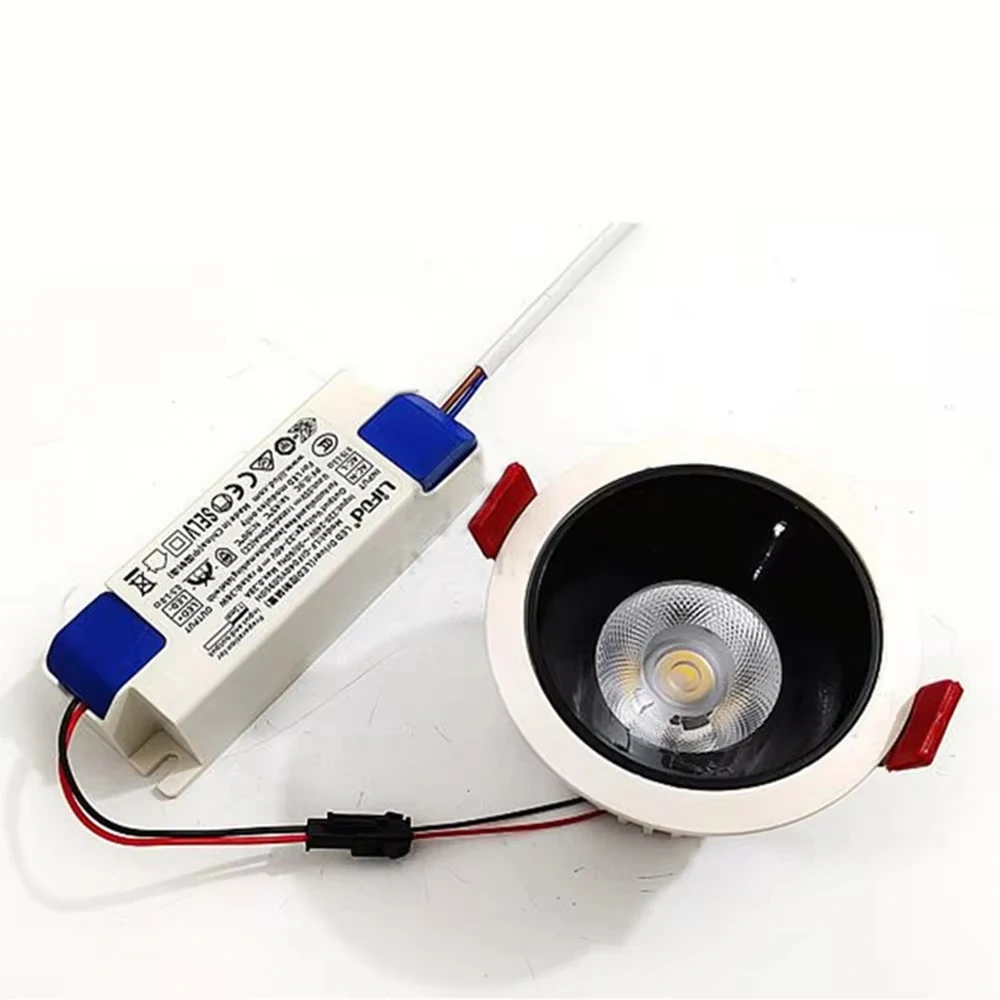
Do All LED Lights Require a Driver? Key Considerations for B2B Clients
LED Products with Integrated Drivers
Standard screw-base LED lights have small drivers built into their housings, so they can be used instead of incandescent bulbs without having to change the wiring. Downlights and some track lamps also have driver circuits built in so they are easy to plug in and use. These self-contained boxes are kept in stock by distributors for retrofit jobs where the wiring stays the same. The combined method makes installation easier, but it limits the voltage levels and dimming procedures that can be changed.
LED Configurations Requiring External Drivers
Different driver units placed far away connect to LED strip lights, linear modules, panel arrays, and high-output industrial lighting. This design lets you be flexible with where to put things, how to get rid of heat, and how to do upkeep. When contractors install factory high bays or store display lighting, they put the drivers in easy-to-reach places and place the fixtures so that they give off the best light. By lowering temperature stress on semiconductor junctions, separating the driver from the light source makes LEDs last longer.
Direct AC LED Technology
New AC LED chips work directly from mains voltage, so they don't need separate drivers. They do this by having rectifier circuits built into the chip base. These have fewer parts, but they are less efficient and can't be dimmed as well as DC LED systems with special drivers. When project managers look at the total cost of ownership, they usually find that standard driver-based systems are more valuable in the long run because they use less energy and are easier to handle.
Why Proper Driver Selection Matters?
Drivers that don't work with LEDs cause them to fail right away or slowly break down over time, which shortens their life. Drivers who aren't strong enough turn off lights too soon, and drivers that are too strong speed up thermal age. Sourcing managers check the specs for LED current and voltage against the output parameters of the LED driver to make sure they work together. This careful work keeps project plans on track by avoiding delays caused by troubleshooting in the field and avoiding guarantee disagreements. The right matching also maximizes energy economy, which has a direct effect on the budgets of buildings that run lights all the time.
How to Choose the Right LED Driver for Your Procurement Needs?
Assessing Environmental and Electrical Requirements
Environmental factors have just as much of an effect on LED driver choice as electrical specs. Temperature ranges in the environment determine the need for thermal derating, and humidity levels determine the need for entry protection rates. We check construction sites for things like vibrations, toxic air, and altitude that might affect how well they cool. An study of the electrical infrastructure finds the voltages, phase configurations, and grounding systems that make it hard for drivers to work together. This thorough evaluation stops expensive design mistakes from being found during installation.
Critical Performance Metrics
Ratings for efficiency have a direct effect on the prices of running a business for thousands of hours. Drivers who are 90% or more efficient waste less energy as heat, which lowers the need for cooling and electricity bills. Safety certifications, such as UL, CE, and DLC labels, make sure that projects follow local electrical rules and are eligible for utility refunds. A warranty that lasts at least five years shows that the maker is confident and keeps buying budgets safe from having to pay for unnecessary replacements. Power factor adjustment above 0.9 stops reactive power charges and meets the needs of big sites for connecting to the utility grid.
Dimming Capability and Control Integration
Drivers that work with building automation standards are needed for modern lighting control systems. We choose 0-10V connections for easy analog dimming or DALI-2 approved units for digital control that can be addressed. Checking for compatibility with current control systems keeps integration issues that slow down launching to a minimum. Smooth dimming curves that don't flicker or make noise make people happier in retail and leisure settings where atmosphere is key to making money.
Comparing Constant Current and Constant Voltage Applications
When deciding between driver types, here are some useful things to think about:
- Constant Current Drivers: These work best in series LED setups where each diode gets the same amount of current. Their exact control makes sure that all arrays are the same brightness, which is good for high-bay fixtures, streetlights, and architectural linear systems. When individual LEDs break down, the thermal runaway safety built into current control stops failures from spreading.
- Constant Voltage Drivers: Voltage control works best for parallel LED systems that need 12V or 24V power. This design makes it easy to cut strips to any length needed for strip lighting, cabinet displays, and sign lighting. When more than one device uses the same power source, voltage drivers make the wiring easier.
Which of these designs you choose affects how complicated the system is, how well it can handle errors, and how much it can grow. To make sure that drivers are reliable and easy to keep, engineering teams model the electricity distribution topology before they are finalized. This way of looking at things cuts down on the cost of changing the field and lets the project grow in stages without having to update any equipment.
Procurement-Focused Considerations
When looking for drivers for months-long phased building plans, supply chain reliability becomes very important. We give producers extra points if they can show consistent wait times and batch consistency so that specifications don't change from one shipment to the next. For big deployments, it's easier to plan for costs when the price for bulk orders changes based on the size of the project. Customization options for OEMs allow for standardization of logos and connectors, which makes managing supplies across product lines easier. What sets suppliers who partner in project success apart from transactional vendors is how quick their technical help is during the design and troubleshooting phases.
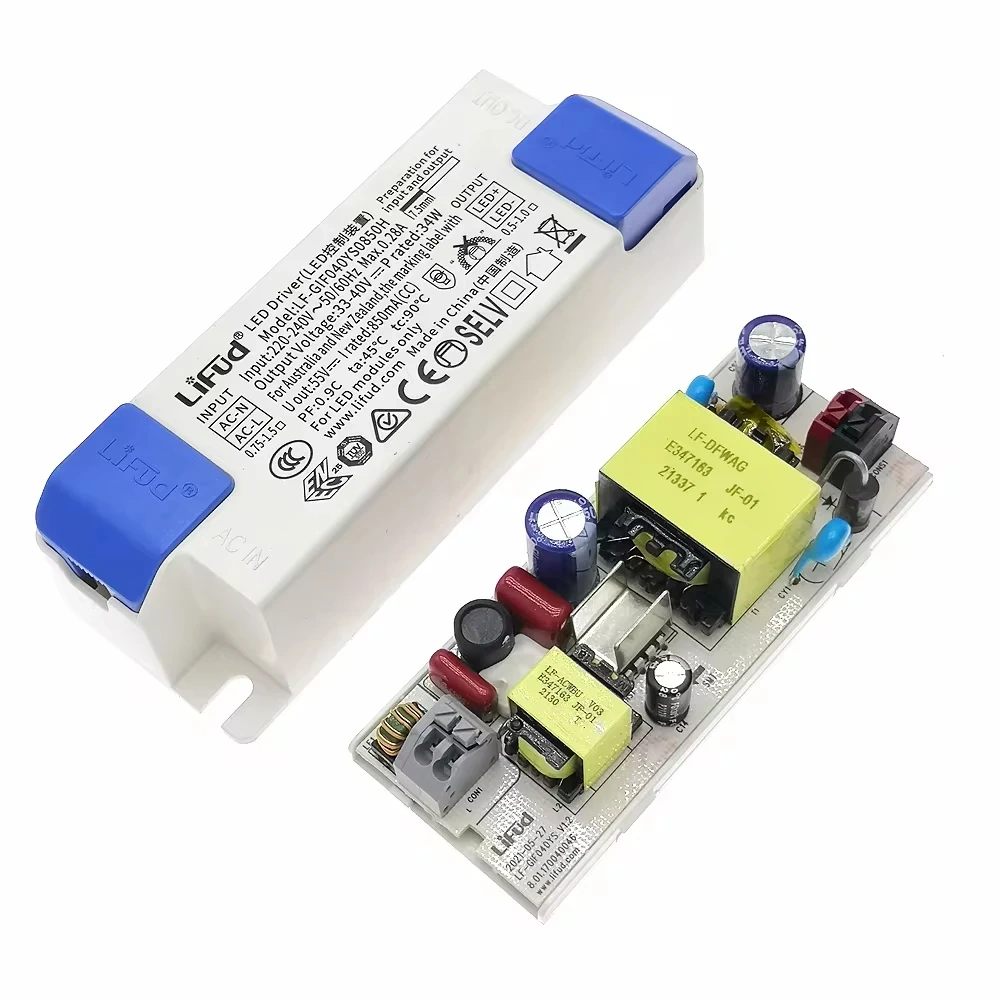
Common Challenges and Troubleshooting for LED Drivers in Industrial Settings
Overheating and Thermal Management
LED driver parts go beyond their stated working ranges when the environment is too hot or there isn't enough air flow. Thermal shutdowns keep electronics safe, but they turn off the lights when the safety cycles go off over and over again. To stop burning, facility managers can improve airflow around driver cages, move units to cooler areas, or buy new models that can handle higher temperatures. Using thermal images during testing to find hot spots helps find problems before they happen.
Flickering and Dimming Issues
Flickering can be caused by dimmer-driver combinations that don't work well together or by electromagnetic interference from equipment nearby. We figure out what's causing flicker by trying drivers with dimmers that we know will work with them and making sure there are good grounding connections. Radio frequency interference (RFI) from VFD motor drives or wireless devices can sometimes get into driver control circuits. To get rid of this, EMI filters or physical barriers are needed. Taking care of these problems during installation keeps people from complaining and makes sure that flicker-free lighting standards are met.
Startup Failures and Intermittent Operation
If drivers fail to start, it means that there are problems with the input power, broken parts, or wiring mistakes. Systematic repair checks the voltage coming in, looks for shorts in the output connections, and measures the resistance of the LED string. Often, intermittent action is caused by contacts or connections that are too weak or corroded, which raises the resistance when the load is applied. Maintenance teams write down the failure modes so that they can find trends that point to batch defects that require involving the provider.
Leveraging Reputable Suppliers
When you work with well-known companies like Meanwell, Philips, Osram, Cree, and Tridonic, you can get a lot of detailed information and help from application engineers. These sellers pay for certification testing that backs up claims of performance and makes sure they follow the rules. Their world delivery networks allow for quick replacement when something breaks in the field, which keeps downtime costs to a minimum. We suggest that you get quotes from more than one approved source so that you can keep prices low and quality high.
Benefits of Using Quality LED Drivers in B2B Projects
Enhanced Performance and Longevity
Premium LED drivers keep the output tightly controlled even when the input power changes and the temperature goes up and down. This means that the light output stays fixed for the entire rated lifespan. This regularity stops the gradual dimming that happens in setups with weak parts. Electrical noise that speeds up LED degradation is blocked by strong internal filtering, which extends maintenance times and lowers the total cost of ownership. Projects that define quality drivers work effectively for at least 50,000 hours with little to no maintenance.
Energy Efficiency and Cost Reduction
High-efficiency drives turn more of the power that comes in into useful light instead of heat that is wasted. This increase in efficiency adds up over thousands of lights that are always on, saving a lot of money on energy bills. When facilities upgrade their drivers from 85% to 92% efficient, they use 7% less energy, which directly increases their running margins. Power factor adjustment built into good drivers keeps utilities from charging extra for reactive power when magnetic loads are used.
Compliance and Safety Assurance
To get certified, drivers have to go through a lot of tests that check their ability and make sure they are safe around electricity and radiation fields. UL listing proves that the product meets North American safety standards, and CE marking lets you sell it in Europe. If a project meets the DLC requirements, it can get help from utility incentive schemes that lower the cost of cash. End users are protected from fire and electrical shock by these licenses, and workers are protected from liability.
Supporting Business Objectives
Warehouses, factories, and transportation hubs that are open 24 hours a day need lighting systems that work well all the time to keep their operations running smoothly. When performance is predictable, accurate lighting estimates can be made during planning. This makes sure that workspaces meet lighting standards without using too much energy. When procurement teams look for quality drivers, they show that they care about the company's image and support its environmental goals by using less energy and making products last longer.
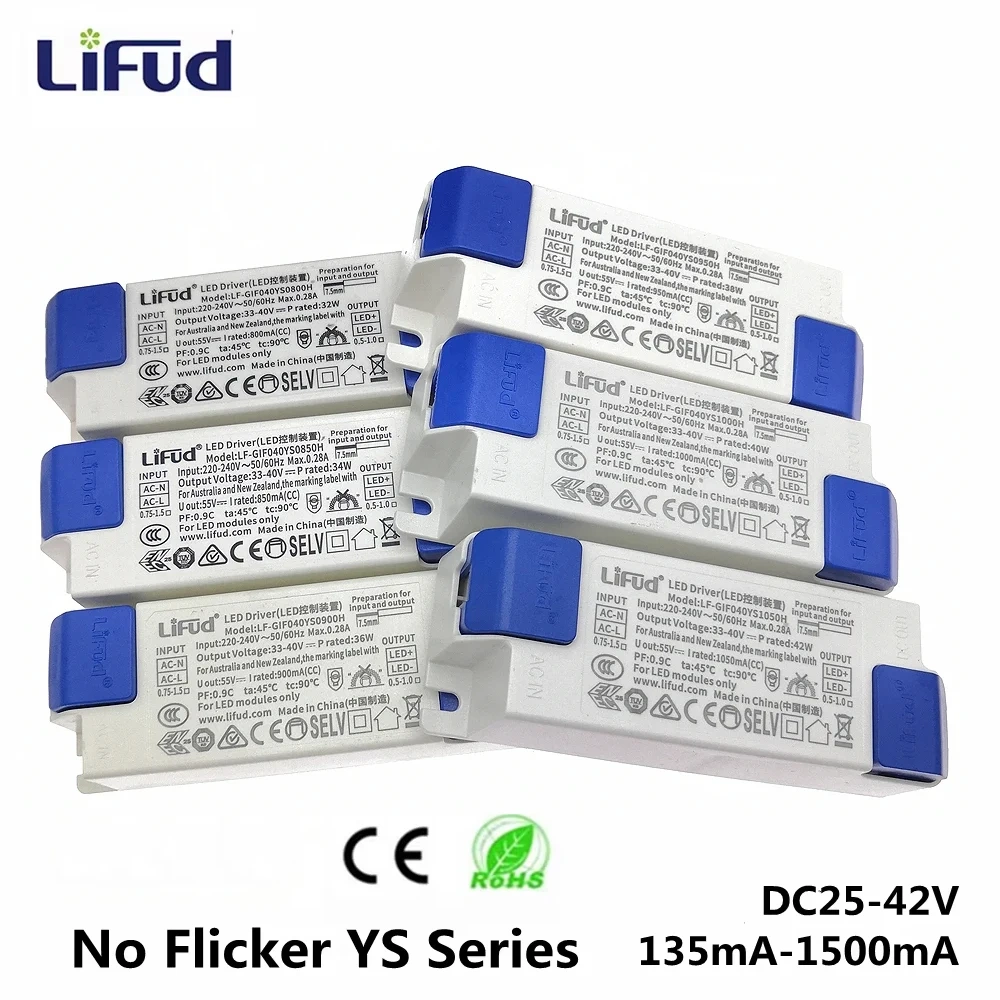
Conclusion
When choosing the right drivers for LED lighting systems, you need to pay close attention to how well they work with electricity, the surroundings, and the performance needs. Integrated driver products make some tasks easier, but external drivers give business and industry projects the dependability and freedom they need. Projects are more likely to be successful in the long run if they understand the differences between driver types, judge providers based on their technical value and customer service skills, and use only certified parts. When procurement workers know how to think about these things, they can find lighting options that meet the needs of all stakeholders while also lowering the total cost of ownership.
FAQ
Can LED strips work without a driver?
Either an external constant voltage driver or a direct-plug adapter with driver circuits is needed for LED strips. Running strips straight from the AC mains kills the LEDs right away because the voltage is too high and there is no way to control the current. Always check the power needs and find drivers with the right rating.
What distinguishes LED drivers from transformers?
Transformers use electromagnetic induction to change the voltage from one level to another, but they don't change the current. LED drivers actively change the output current or voltage to match the needs of the LED. They do this by using regulation circuits that transformers don't have. Using transformers by themselves is not enough to protect LEDs.
How do I verify a driver is suitable for outdoor use?
Check the label of the driver to see if it has an IP grade of 65 or higher. This means that it is protected against dust and water jets. Make sure that the working temperature ranges cover the worst weather in your area. Certifications like UL 8750 or UL 1310 show that the product is safe for use in wet areas.
Partner with USKYLED for Reliable LED Lighting Solutions
For your business projects, USKYLED offers approved LED lighting systems with full expert support. We sell high-efficiency train systems, decorative fixtures, and linear lights that work with drivers that meet UL and CE standards. We offer reasonable bulk prices and reliable shipping schedules to LED driver providers all over the world. Get in touch with our team at sales@uskyled.com to talk about your needs and get solutions that are tailored to your performance and budget.
References
1. Illuminating Engineering Society. "Recommended Practice for LED Light Sources and Systems." IES TM-21-19, 2019.
2. Department of Energy. "LED Lighting Driver Efficiency Standards and Testing Protocols." DOE Solid-State Lighting Program, 2021.
3. National Electrical Manufacturers Association. "Application Guide for Dimming LED Lighting Systems." NEMA SSL 7A-2015, 2015.
4. International Electrotechnical Commission. "LED Modules for General Lighting – Performance Requirements." IEC 62717:2014, 2014.
5. DLC Technical Requirements Committee. "Qualified Products List Requirements Version 5.1: LED Drivers." DesignLights Consortium, 2022.
6. Society of Light and Lighting. "Code for Lighting: LED Driver Selection and Application." CIBSE LG10, 2020.


